This month’s Global Market Report reviews the bulk wine and grape markets of 2025 and sets out, country by country, the opportunities – and the potential pitfalls – that 2026 brings. Will this be the year that wine consumption in Europe and North America finally stabilises, so the wine industry can turn its attention from rationalisation to growth? We asked the same question a year ago of 2025 and, ultimately, the answer was a firm ‘no’.
The “vibecession” that characterised 2024 – a disconnect between reasonably stable economic indicators and consumer perceptions of the economy – continued into 2025, exacerbated by political volatility around the world. Earnings increases have continued to lag the 2021-23 inflation spike induced by the pandemic, and some more localised inflation since, shortening the shopping list of grocery items consumers consider necessities and extending the list of items they consider discretionary.
As the Global Market Report’s sister publication, the California Report, put it this month: “Much has been made of health messaging, but wine’s uncompetitiveness on a price-per-unit basis versus a proliferating array of alternative alcohol products is likely a significant handicap among younger consumers and the 2020s consumer in general, whose spending power remains reduced versus pre-pandemic. In those countries in which wine tends to be priced as an everyday item and not a discretionary purchase – Spain and South Africa, for example – consumption has been stabler.”
Buyers seeking to fulfil the retail market’s need for wines and innovative wine products that offer the cost-conscious shopper a convincing price-quality ratio will find plenty of eye-catching opportunities listed in the following report. Suppliers, too, will learn where they can best funnel their wines.
In general, in a number of markets, competitively-priced generic wines feel closest to some semblance of supply-demand balance. This has potentially been caused by an accumulation of shorter harvests over the past three years, at a time when increased price-sensitivity among bulk-wine buyers has seen some focus more on availability at the lower end of the price hierarchy. It will be interesting to see whether the 2026 harvests in the Southern Hemisphere – now imminent – preserve or disrupt this tentative sign of balance on entry-level wines that currently exists in some markets.
With its global reach and local connections, Ciatti is uniquely positioned to facilitate the just-in-time operating model that has become increasingly common in recent years and is set to continue doing so in 2026. The whole team would like to wish all of its friends, clients and business associates a very happy and prosperous year ahead.
Paying and complimentary subscribers can read the full Ciatti Global Market Report for January Here. A brief review of currency exchanges in 2025 pertinent to the bulk-wine market can be read here. The Global Pricing Grid, with all the pricing tables, will arrive into your email inbox soon.
Ciatti at Wine Paris
Ciatti’s international broker team will be out in force at Wine Paris 2026, being held at Paris Expo Porte de Versailles on 9-11th February.
Last year’s edition saw exhibitor numbers surpass 5,000 (exceeding ProWein’s 4,200) and visitor numbers reach a record 53,000 (greater than ProWein’s 42,000). Some 45% of attendees hailed from outside of France. This year, Wine Paris says it will welcome over 6,000 exhibitors representing 60 countries and over 60,000 visitors from 155 markets.
This month’s Global Market Report reviews the bulk wine and grape markets of 2025 and sets out, country by country, the opportunities – and the potential pitfalls – that 2026 brings. Will this be the year that wine consumption in Europe and North America finally stabilises, so the wine industry can turn its attention from rationalisation to growth? We asked the same question a year ago of 2025 and, ultimately, the answer was a firm ‘no’.
The “vibecession” that characterised 2024 – a disconnect between reasonably stable economic indicators and consumer perceptions of the economy – continued into 2025, exacerbated by political volatility around the world. Earnings increases have continued to lag the 2021-23 inflation spike induced by the pandemic, and some more localised inflation since, shortening the shopping list of grocery items consumers consider necessities and extending the list of items they consider discretionary.
As the Global Market Report’s sister publication, the California Report, put it this month: “Much has been made of health messaging, but wine’s uncompetitiveness on a price-per-unit basis versus a proliferating array of alternative alcohol products is likely a significant handicap among younger consumers and the 2020s consumer in general, whose spending power remains reduced versus pre-pandemic. In those countries in which wine tends to be priced as an everyday item and not a discretionary purchase – Spain and South Africa, for example – consumption has been stabler.”
Buyers seeking to fulfil the retail market’s need for wines and innovative wine products that offer the cost-conscious shopper a convincing price-quality ratio will find plenty of eye-catching opportunities listed in the following report. Suppliers, too, will learn where they can best funnel their wines.
In general, in a number of markets, competitively-priced generic wines feel closest to some semblance of supply-demand balance. This has potentially been caused by an accumulation of shorter harvests over the past three years, at a time when increased price-sensitivity among bulk-wine buyers has seen some focus more on availability at the lower end of the price hierarchy. It will be interesting to see whether the 2026 harvests in the Southern Hemisphere – now imminent – preserve or disrupt this tentative sign of balance on entry-level wines that currently exists in some markets.
With its global reach and local connections, Ciatti is uniquely positioned to facilitate the just-in-time operating model that has become increasingly common in recent years and is set to continue doing so in 2026. The whole team would like to wish all of its friends, clients and business associates a very happy and prosperous year ahead.
Paying and complimentary subscribers can read the full Ciatti Global Market Report for January Here. A brief review of currency exchanges in 2025 pertinent to the bulk-wine market can be read here. The Global Pricing Grid, with all the pricing tables, will arrive into your email inbox soon.
Ciatti at Wine Paris
Ciatti’s international broker team will be out in force at Wine Paris 2026, being held at Paris Expo Porte de Versailles on 9-11th February.
Last year’s edition saw exhibitor numbers surpass 5,000 (exceeding ProWein’s 4,200) and visitor numbers reach a record 53,000 (greater than ProWein’s 42,000). Some 45% of attendees hailed from outside of France. This year, Wine Paris says it will welcome over 6,000 exhibitors representing 60 countries and over 60,000 visitors from 155 markets.
Ciatti's roots in the California Wine industry span over a half a century. In 2006 Joe Ciatti retired. A new ownership group carries on with a blend of considerable experience and a fresh vision for the future. Ciatti is the largest and most comprehensive bulk wine, juice and grape brokerage in the world.
With 8 offices world wide, Ciatti serves our clients with the most up-to-date and accurate market information available. Please contact us with any questions. We are truly at your service.
Greg Livengood
President, Partner and Broker
Greg joined Ciatti in 1994 and became a partner in 1997. Greg has used his degree in International Relations to build Ciatti into the world recognized leader in the alcohol beverage business. Greg is currently the President and CEO of the company and drives the international group.
Chris Welch joined Ciatti in 1994, and began brokering bulk wine and grapes in 2003 and became a partner in company in 2007. The premium and super premium segment of the California wine industry are the breeding grounds of innovation and where Chris truly excels. His consistent approach helps small and medium size wineries and negotiants achieve the innovation and growth they seek. Chris also works very closely with the Oregon Wine Industry.
Glenn Proctor joined Ciatti in 2003 and became a partner in 2007. Glenn advises wineries on supply positioning and works closely with growers and wineries in marketing their grapes and wine. He specializes in spot and contract bulk wine and grapes sales from all regions of California. He has over 23 years of experience in wine supply strategy, wine-grape quality improvement, brand strategy, and business development. Glenn was previously the Vice President of Winegrowing for Diageo Chateau and Estate Wines, and before that was a Director at Benziger/Glen Ellen Winery during its rapid growth in the early 1990's.
Todd Azevedo joined Ciatti in 2004 after completing his Agricultural Finance degree from Cal Poly San Luis Obispo. Although Todd brokers wine, grapes, and wine products throughout the state of California, Todd's focus is on the California Central Coast.
Johnny Leonardo joined Ciatti in 2004 as a broker and knows that surviving in a dynamic wine industry requires one to be a Jack-of-all-Trades. He has experience in all aspects of winery and vineyard operation, from the field to the street. Johnny has developed and managed vineyards, and worked in wine sales and marketing.
Ciatti is committed to providing you with all your wine and drink making needs. Whether you are after 5 gallon pails or bulk tanker quantities, we can help find the right product for your needs.
The following are products we source from around the world:
Bulk Wine
The Ciatti Advantage
Ciatti specializes in brokering bulk wines, and uses this expertise and knowledge to be the world's largest wine brokerage company.
We use our local and global knowledge and extensive network to bring growers, suppliers and end-users together.With eight offices located around the world representing all major wine growing countries, we can offer global supply solutions to an extremely diverse international client base.
We have built strong relationships with all of the world's major wine companies. We are recognized internationally for reliable information and extensive bulk wine inventories, in both volume and quality.
Our goal is to provide the best information, experience, inventory and service in the global bulk wine market. As we are a pure brokerage company, we take no position on the wine so you will be guaranteed the best unbiased opinion on quality, price and demand.
The Purchase Process
Ciatti recommends that customers take advantage of the wine sample system to assist in finding the perfect wine. No matter what volume of wine you are looking for we can assist in finding the perfect match for your requirements. We work with all valued customers to develop required wine specification details, which can later be used to form part of the purchase terms. The wine brokers operate within individual markets, but their global knowledge they can help source wine styles and prices from our global inventory. Once we are aware of your wine style requirements we will organize samples for style approval.
Ciatti negotiates both spot market and long term bulk wine contracts. We are responsible for matching the needs of the buyer with the available supply options from a diverse range of producers. This enables buyers to diversify their supply risk.
Evaluation Services
Ciatti provides an independent wine evaluation and appraisal service to the wine industry. This includes feedback to suppliers and producers on the quality, marketability and current demand in the marketplace of their wines.
The tasting panel consists of wine professionals associated in various roles in the wine industry (Winemaking, Sales and Marketing) who are able to give opinions on quality and current demand for the wines both domestically and internationally.
Wines are tasted and analyzed so we can provide detailed tasting notes, as well as a guide to demand and price range for the current market conditions. If needed, our staff can answer questions or provide further information before the tasting occurs. Once completed Ciatti is happy to discuss the outcome with the supplier or producer.
Grapes
Ciatti can help source or sell grapes prior to and during vintage time. All of our brokers have extensive knowledge and relationships in the domestic markets, and they utilize this information to find the perfect buyer or seller for your requirements. Grapes can be sourced from any growing region, which ensures the perfect parcel can be found for any situation.
The brokers can assist with and facilitate:
·Vineyard Inspections
·On-site grape tastings
·Selecting harvest options
·Defining grape or wine parameters before picking (Baume/ Brix levels, grape specifications)
·Organizing third parties (Transport, winery space and storage)
Please don't hesitate to contact your local office to discuss any of your grape needs.
Grape Juice Concentrate
Standard White Grape Juice Concentrate
Sourced from California, Argentina, Australia, Chile, Italy, Spain and South Africa, we can fill your standard white grape juice concentrate requirements. Whether you're looking for crude, standard, organic, extra light or Kosher certified we have you covered.
Red 2000, 1600, 1000, 700, 600, 400 Grape Juice Concentrate
Sourced from California, Chile, Australia, Italy and Spain, Ciatti can source red juice concentrates of every colour intensity for your needs. These products are also available in crude, standard, organic and kosher.
Varietal Grape Juice Concentrate
Available Varietals include:
Chardonnay
French Colombard
Chenin Blanc
J. Riesling
Gew 1/4 rztraminer
Muscat
Syrah
Cabernet Sauvignon
Merlot
Barbera
Malvasia
Grenache
Sauvignon Blanc
Viognier
Pinot Grigio
Vino Blanc
Alicante
White Zinfandel
Zinfandel
Cabernet Franc
Petite Syrah
Burgundy Symphony
Â
Â
Â
Â
Â
Â
Â
Â
Â
Â
Â
Â
Â
Specialty Grape Juice Concentrates
Available specifically in the US, we can source Mega Natural (R) 8000 colours in red, purple and cherry. We can also assist in Grape Juice Concentrate 8000 in red and purple.
Also available Grape seed extracts, hi proof grape spirits, brandy, (aged and unaged), grape oils and flour and pomegranate essence and arils.
Fruit Juice Concentrates
Specialty fruit Juice Concentrates are available in the US, and include:
Peach
pear
apple
raspberry
blueberry
strawberry
blackberry
cherry
cranberry
marionberry
mixed berries
currant
Super fruits available include:
pomegranate
goji
acai
mangosteen
starfruit
kiwi
elderberry
acerola
prickly pear cactus
Tropical fruits available include:
pineapple
mango
passion fruit
Â
Â
Â
Â
Â
Â
Â
Â
Â
Â
For any queries in the US, please contact our concentrate specialist broker Greg MaGill. If you have any global concentrate or juice enquiry, please contact your closest Ciatti Office.
The Northern Hemisphere’s 2020 harvests are underway and early indications are that France and Spain and will see good-sized crops, Italy is forecast to have a crop around 5% down in size on 2019’s, and California’s crop looks lighter than average. Distillation programmes have been rolled out across Europe to help reduce wine inventory ahead of the new vintage, but their success is questionable: the French plan has only served to pause the bulk market in France as the distillation price is above where the market was, while the Italian plan has the reverse problem – offering a distillation price that is unattractive to many sellers.
Inventory in France (especially of red wines) and Spain (especially of white wines) remains significant and will likely lead to a slow start on the 2021 vintage spot markets in those countries. Buyers are naturally cautious considering COVID-19, with only those supplying well-positioned supermarket brands in markets that continue to see an increase in off-trade wine sales (such as the US and UK) moving forward with purpose. The bulk wine markets in Argentina and Chile have been seeing good levels of activity, Italy’s Pinot Grigio and Prosecco bottlings continue to outperform last year’s, and Australia’s bulk wine exports for the year to 30 June were down only 1% in value on the prior year.
Prices in Spain, and in France on the reds, are expected to trend downward when the new campaign gets underway, while bulk prices in California are already lower than they have been for many years. As a consequence, Argentina – with its own significant inventory – has moved to be ultra-competitive on price to win international attention, and South Africa, too, is vying for international business. Both countries have been hurt by recent logistical issues: cross-border trucking in the Andes has been intermittently blocked by snowfall levels; Cape Town port has not been operating at 100% due to COVID-19, leading to a backlog.
However, both these problems are temporary and easing, and both countries can offer highly-competitive deals on a wide range of excellent-quality wines. Ciatti South Africa told us this month: “The sorry thing is [about the slow market], it’s been a beautiful crop, a very good harvest year – especially the white wines are really good quality, with good quality and quantity available on Chardonnay and Sauvignon Blanc.”
With the Northern Hemisphere harvesting and/or holidaying, August is always a relatively quiet month freighted with anticipation of things waking up in September. But this year the start of autumn has become imbued with added resonance: will rising COVID-19 case numbers in Europe and the US see restrictions widely re-imposed? What will economies and consumer confidence look like by Christmas? Visibility is highly limited but Ciatti is drawing on all its decades of experience to keep you as well-informed as possible – get in touch if you have any questions, and stay safe.
Astronaut Christina Koch poses with zero-gravity indicator "Rise" in the viewport of the Artemis 2 Orion spacecraft.
[str_link_url] => https://www.space.com/space-exploration/human-spaceflight/artemis-2-astronaut-poses-for-epic-selfie-space-photo-of-the-day-for-april-9-2026
[likes] => Array
(
)
[comments] => Array
(
)
[repost] => Array
(
)
[favorite] => Array
(
)
[add_to_list] => Array
(
)
[attendee] => Array
(
)
)
[2] => Array
(
[supplier_id] => 6087
[supplier_logo] => uploads/logo/advisor_profilelogo.jpg
[feed_post_id] => 38019
[supplier_name] => Wine Industry Advisor
[tag_name] => wineindustryadvisor
[relevance] =>
[sdate] =>
[tags] => greg test
[feed_post_type] => 9
[date] => 2026-04-09 14:02:48
[type] => link
[str_link_caption] => 10 Best Gadgets of April 2026 Every Tech-Savvy Gen Z Is Obsessed With (And We Get Why) - Yanko Design
[str_link_content] => 10 Best Gadgets of April 2026 Every Tech-Savvy Gen Z Is Obsessed With (And We Get Why) - Yanko Design
Gen Z isn't chasing spec sheets or benchmark scores. They're chasing objects that fit the way they actually live: portable, intentional, and quietly smart. April 2026 delivered a lineup that genuinely gets that energy. From satellite-connected wearables to battery-free speakers, these ten gadgets are doing something harder than simply being powerful. They're being useful, and
Now available: a Winery for Sale in Alexander Valley — an opportunity well suited for those evaluating expansion, ownership, or long-term investment in a renowned winegrowing region.
Listings like this tend to draw thoughtful interest early in the year, as plans and priorities take shape.
Thinking about selling a winery, vineyard, or industry asset in 2026? Use promo code WINMARKETPLACE to create a FREE 90-day listing on the WIN Marketplace.
[news_image] =>
[likes] => Array
(
[0] => Array
(
[lng_like_id] => 2454
[lng_like_by_id] => 40099
)
)
[comments] => Array
(
[0] => Array
(
[lng_comment_id] => 165
[lng_post_id] => 37939
[lng_commented_by_id] => 39960
[lng_comment] => Ephron
)
[1] => Array
(
[lng_comment_id] => 166
[lng_post_id] => 37939
[lng_commented_by_id] => 40878
[lng_comment] => QA EPH
)
)
[repost] => Array
(
)
[favorite] => Array
(
)
[add_to_list] => Array
(
)
[attendee] => Array
(
)
)
)
[trending_result] => Array
(
[1] => Array
(
[supplier_id] => 6087
[supplier_logo] => uploads/logo/advisor_profilelogo.jpg
[feed_post_id] => 38020
[supplier_name] => Wine Industry Advisor
[tag_name] => wineindustryadvisor
[relevance] =>
[sdate] =>
[tags] =>
[feed_post_type] => 9
[date] => 2026-04-09 14:30:30
[type] => link
[str_link_caption] => Artemis 2 astronaut poses for epic selfie | Space photo of the day for April 9, 2026
[str_link_content] => Artemis 2 astronaut poses for epic selfie | Space photo of the day for April 9, 2026
Astronaut Christina Koch poses with zero-gravity indicator "Rise" in the viewport of the Artemis 2 Orion spacecraft.
[str_link_url] => https://www.space.com/space-exploration/human-spaceflight/artemis-2-astronaut-poses-for-epic-selfie-space-photo-of-the-day-for-april-9-2026
[likes] => Array
(
)
[comments] => Array
(
)
[repost] => Array
(
)
[favorite] => Array
(
)
[add_to_list] => Array
(
)
[attendee] => Array
(
)
)
[2] => Array
(
[supplier_id] => 6087
[supplier_logo] => uploads/logo/advisor_profilelogo.jpg
[feed_post_id] => 38019
[supplier_name] => Wine Industry Advisor
[tag_name] => wineindustryadvisor
[relevance] =>
[sdate] =>
[tags] => greg test
[feed_post_type] => 9
[date] => 2026-04-09 14:02:48
[type] => link
[str_link_caption] => 10 Best Gadgets of April 2026 Every Tech-Savvy Gen Z Is Obsessed With (And We Get Why) - Yanko Design
[str_link_content] => 10 Best Gadgets of April 2026 Every Tech-Savvy Gen Z Is Obsessed With (And We Get Why) - Yanko Design
Gen Z isn't chasing spec sheets or benchmark scores. They're chasing objects that fit the way they actually live: portable, intentional, and quietly smart. April 2026 delivered a lineup that genuinely gets that energy. From satellite-connected wearables to battery-free speakers, these ten gadgets are doing something harder than simply being powerful. They're being useful, and
The wineries with the most loyal wine clubs aren't the ones with the best discounts. They're the ones with the strongest emotional identity.
This will sound counterintuitive to anyone who's ever tried to stem club churn by sweetening the deal with free shipping or an extra bottle. But the data tells a different story. Companies with strong emotional connections to customers outperform competitors' sales growth by 85%. Not 8.5%. Eighty-five percent.
The question isn't whether emotional connection matters. It's how you build one.
Enter brand archetypes: a framework rooted in Jungian psychology that helps wineries create the kind of deep, identity-based loyalty that discounts can never buy. When wineries align their story, experience, and messaging with a core archetype, wine club loyalty stops being a battle against churn and becomes a natural expression of who they are.
What Are Brand Archetypes? (And Why They Work in the Wine Industry)
Brand archetypes are 12 universal psychological identities that humans recognize instinctively across cultures. The Hero. The Caregiver. The Explorer. The Sage. You know these characters because you've encountered them in every story you've ever heard, from ancient myths to last night's Netflix queue.
Carl Jung argued these patterns are hardwired into our collective unconscious. Whether or not you buy the full psychological theory, the practical application is undeniable: archetypes create instant recognition.
Here's why that matters for wineries:
They shortcut decision-making. When a customer encounters a brand that clearly embodies an archetype they resonate with, the mental work of figuring out "is this for me?" disappears. Research shows that 95% of purchasing decisions are made subconsciously, driven by emotion rather than rational analysis. Archetypes speak directly to that subconscious layer.
They create memory and emotional attachment.A brand that embodies "The Explorer" archetype doesn't just sell wine; it represents adventure, freedom, and the thrill of discovery. These associations stick. Research in neuroscience shows that emotional responses leave stronger memory imprints than rational thoughts.
They help customers understand "who you are" instantly. In a tasting room, you have minutes to communicate what makes your winery different. An archetype does that work before you've poured the first taste.
The wine industry has a natural advantage here. Wineries already sell emotion, story, and ritual. Archetypes don't create something new; they amplify what's already there.
The Problem: Most Wine Brands Don't Know Who They Are
Walk into ten different tasting rooms and you'll hear variations of the same story: family heritage, passion for the land, commitment to quality. These aren't bad things. They're just not differentiating things.
Most wineries default to what I call "romantic vineyard" storytelling. Beautiful sunsets. Generations of tradition. Handcrafted with care. It's pleasant, forgettable, and sounds exactly like every competitor.
The consequences show up in the numbers. Silicon Valley Bank's latest research shows wine clubs are experiencing member attrition rates between 28-36% annually. The median tenure for wine club members is just 11-15 months, meaning half of new members leave within their first year and a half.
Why? Because without a clear archetype, wineries can struggle to create a consistent, resonant brand experience. Their messaging drifts. Their tasting room experience feels generic. Their email communications read like every other winery's.
Members don't churn because they found better wine. They churn because they never formed an emotional connection in the first place. For a deeper dive into why this happens and how to fix it, see our analysis ofwine club retention strategies.
How to Identify Your Winery's Core Archetype
Your archetype isn't something you invent. It's something you discover. The goal is to surface the identity that already exists in your winery's DNA and then amplify it consistently.
Start with these questions:
What emotions do people consistently associate with your brand?Not what you want them to feel. What they actually feel. Listen to how customers describe their experience. Read your reviews. Pay attention to the words that keep appearing.
What type of guest is most drawn to you?Your best customers are telling you something about who you are. The adventurous couple seeking off-the-beaten-path discoveries suggests an Explorer archetype. The sophisticated collector looking for rare finds suggests a Sage or Ruler archetype. The warm family celebrating milestones together suggests a Caregiver or Everyman archetype.
What narrative naturally emerges from your wine, place, and people?Is your story about rebellion against convention (The Outlaw)? About creating moments of beauty and indulgence (The Lover)? About the pursuit of something extraordinary (The Hero)? The authentic answer is usually hiding in plain sight.
Tools that help: customer surveys asking open-ended questions about the emotional experience, tasting room staff debriefs about which stories resonate most, and structured brand workshops that force you to make choices rather than trying to be everything.
Harley-Davidson didn't become the definitive Outlaw brand by accident. They studied their most passionate customers, understood what made them different, and leaned all the way in. The result: customers who don't just buy motorcycles but get the logo tattooed on their bodies. That's not transactional loyalty. That's identity.
Humans seek identity alignment. We gravitate toward brands that reflect who we are or who we want to become. Archetypes provide that mirror.
This explains why emotional loyalty behaves so differently from transactional loyalty. A customer who stays because of your 20% discount will leave for someone else's 25% discount. A customer who stays because your brand represents something meaningful to their identity will forgive the occasional shipping delay, pay full price without flinching, and tell their friends.
The research backs this up. Brands that master archetype-based marketing have seen up to a 40% increase in customer engagement and retention. Wineries that redesigned their clubs around member experience rather than operational convenience saw retention improvements of 18-24% in the first year after implementation, with no additional product discounting (SVB Report, p.68).
Archetypes also simplify marketing decisions. When you know you're The Explorer, you know that your email subject lines should evoke discovery, your tasting room should feel like an adventure, and your wine club shipments should include surprises. Every decision becomes easier because you have a filter. Does this feel like The Explorer? Then do it. Does it feel generic? Cut it.
Peloton built a billion-dollar brand not by selling exercise equipment but by embodying The Hero archetype. Every instructor, every class, every communication reinforces the message: you're capable of more than you think. Their customers don't just work out; they become part of a tribe defined by ambition and achievement. Wine clubs can create the same sense of belonging when they commit to an archetype with the same clarity.
The Future of Wine Clubs Is Emotional, Not Transactional
Let’s talk about the elephant in the room, which is that discounts don't create loyalty. They create price sensitivity.
Every time you compete on perks, you train your members to evaluate you based on perks. And someone will always offer more perks. The race to the bottom has no finish line, and no bottom.
Identity is different. When members feel that your winery represents something they believe in, something that reflects their own values and aspirations, they don't comparison shop. They belong.
The wineries winning the retention game in 2026 and beyond are the ones who understand this distinction. They're not asking "what else can we offer?" They're asking "who are we, and who are the people who need to find us?"
A Yotpo study found that 37% of consumers consider themselves loyal after five or more purchases from the same company. But that loyalty isn't built by those five purchases. It's built by the emotional connection that made those five purchases feel meaningful rather than merely transactional.
This matters now more than ever. Wine clubs have become the most important DTC channel, accounting for 39% of all direct-to-consumer sales. The wineries that treat club membership as an identity rather than a subscription will capture a disproportionate share of that revenue.
Your members don't want another discount. They want to belong to something worth belonging to. Archetypes are how you build it.
Ready to discover your winery's core archetype?Highway 29 Creative offers archetype assessment workshops designed specifically for wineries, helping you uncover the psychological identity that will transform your wine club from a transaction into a relationship. Contactusto build a club experience rooted in powerful, psychology-backed brand strategy.
Ten Ways Wineries Can Evolve From Selling Bottles to Creating Experiences That Resonate With a New Generation.
If I told you a winery just opened with no vineyard, no winemaker on staff, and no interest in talking about terroir… would you visit? What if I told you it had a silent disco in the barrel room, a drag brunch series, and a 3-month waitlist for a zero-proof pairing menu?
Those wineries exist. And they’re thriving. Because for a new generation of visitors, the wine isn’t the reason—it’s the reward. It’s not about what you pour anymore. It’s about how you make people feel.
And we used to excel at this. But then we woke up one day… and it wasn’t working like it used to. The same offers stopped converting. The same messages started falling flat. The same visitors didn’t come back. And it’s not because we got worse at what we do. It’s because the customer changed. What they want. How they behave. Where they show up. Why they buy. So, the question now isn’t “What went wrong?” It’s “Who are we selling to today?”
Let’s review what they’re looking for. Each of the ten shifts is followed by a prompt or question you can take back to your team. Something to spark discussion at your next staff meeting, leadership retreat, or even just your next walk through the tasting room. Because these ideas aren’t just concepts—they’re invitations to rethink, reframe, and reimagine what your guest experience could look like.
Value #1: Options
Yesterday’s consumer appreciated simplicity. At retail, they picked from what was on the shelf. At the winery, they chose between red or white. In the club, they got the winemaker’s selection—and were happy to receive it. A choice between two or three options? That felt like luxury. But today’s consumer—especially Millennials and Gen Z—lives in a different world entirely. They’ve grown up in an economy of limitless choice.
Take Shein, for example—often cited as a Gen Z favorite. At any given time, that website features over 600,000 products. And they add up to 10,000 new styles per day.
That’s not a product catalog. That’s an infinite scroll buffet. And that behavior—scroll, sort, save, swap, filter, build your own—isn’t just how they shop for clothes. It’s how they expect to interact with everything. They want control. They want flexibility. And they want to feel like they’re curating an experience that fits them—not adapting themselves to yours.
So what does that mean for wine? It means the pre-set flight might not cut it. It means the fixed club shipment may feel impersonal. And it means our biggest opportunity isn’t just what we offer—but how we let them choose it. Flexibility is no longer a perk. It’s the expectation. And the brands that bake in choice—from tastings to tiers to tech—are the ones that will feel modern, relevant, and worth coming back to.
Discussion Questions for Your Staff & Management:
What alternative formats or alcohol levels can we offer?
Are we inclusive of no/low options, or do we still assume everyone wants a full pour of14% Cab?
Value # 2: Discovery & Trial
Yesterday’s consumer wanted to find a favorite. Today’s consumer wants to keep discovering. The internet never ends—so neither does their scroll. Algorithms, ads, and endless options mean there’s always something new to try. Loyalty? Why? Why would you buy the same thing twice when there is so much to try?
But that has also emboldened us. Trying a new wine doesn’t feel risky anymore—it feels exciting. Discovery is the experience. It’s not the step before loyalty—it replaces it. So if we want to stay relevant, we have to make exploration part of our offer: Rotating flights. Limited drops. Unexpected pairings. Something worth coming back for—not just rebuying. Because when novelty is everywhere, same-old won’t stand out.
Discussion Questions for Your Staff & Management:
How easy is it for someone to explore our wines without committing to a full bottle or joining the club?
Could we offer mini bottles, samplers, or “try before you buy” packs?
Value #3: Convenience
In the past, access was the ultimate goal. When you had to order things through catalogs or go to your local store to see if “that thing” you saw in a magazine was available in your area, having an inside track to products was important. Now, it’s pretty much useless. You don’t need special access. If money’s no object, you could have a bottle of Mouton Rothschild delivered to your door by dinner.
Access isn’t hard anymore. What’s hard is making it easy. Today’s luxury is convenience. It’s speed, simplicity, and control. DoorDash, Prime, one-click checkout—that’s what consumers expect. Not a complex tasting room booking form or a club order via phone call. If the experience is clunky, it doesn’t feel premium—it feels outdated – and, honestly, rude. Convenience isn’t about cutting corners. It’s about respecting time.
And the brands that make it easy? They’re the ones who feel worth staying with.
Discussion Questions for Your Staff & Management:
Can guests book, buy, and learn from us with ease?
Are we mobile-friendly, quick to respond, and available when people are actually looking?
Value #4: Value Alignment
Today’s consumer isn’t just buying what you sell. They’re buying why you sell it. They want to know your values—up front. What do you believe in? How do you treat people? What’s your environmental footprint?
Because for them, product quality and brand values are intertwined. An amazing wine that feels ethically tone-deaf? Hard pass. A halfway decent wine from a brand that shares their values? Instant heart emoji. Especially with younger consumers, purpose drives purchase. They want brands that reflect their worldview—not just their palate. So if you’re not telling people what you stand for, don’t assume they’ll stick around to figure it out. Because today, clarity is currency. And silence is a story, too.
Discussion Questions for Your Staff & Management:
Do our brand values show up in our experience-not just in copy, but in behavior?
Would someone browsing our site or walking into our tasting room know what we stand for?
Value #5: Self-Expression
It’s easy to dismiss posting online as vain or superficial. But for younger generations, it’s how they connect. How they communicate. How they belong. A post isn’t just a picture. It’s a statement. “This is who I am. This is what I value. This is where I’ve been.”
And when they choose to share your winery, your experience, your wine—it’s not random. It means your brand aligns with their identity. That’s powerful. So, if the space you create doesn’t offer moments worth capturing…you’re missing a major opportunity to be part of their story. Because for today’s consumers, if it’s not shareable, it’s forgettable. And being seen on their feed might matter more than being remembered in your CRM.
Discussion Questions for Your Staff & Management:
Does our winery give people something to connect with and share?
Are we offering moments and messaging that reflect their identity-not just ours?
Value #6: Education Without Ego
Education used to be the core of the winery experience. We told visitors how wine is made. Why our soil matters. What flavors to find in the glass. And while that worked for generations who came to learn, today’s guests come to explore. Education implies hierarchy: “I know something you don’t.” Rules. Correct answers. A right way to taste.
Exploration is different. It’s open. Personal. It says, “Let’s see what you discover.” Modern consumers don’t want to be corrected. They want to be included. So if we trade the lecture for a conversation, we don’t lose authority. We gain engagement. Because the best experiences today don’t feel like school. They feel like discovery.
Discussion Questions for Your Staff & Management:
Are we making wine more approachable or more intimidating?
How can we reframe our story so it invites rather than lectures?
Value #7: Community & Belonging
For previous generations, discovering something special was a private thrill. A tucked-away winery. A hard-to-find bottle. A quiet restaurant. The instinct was to protect it. To keep it close. Because having access meant having an edge.
But today’s consumer is wired differently. The first instinct isn’t to hide the experience—it’s to share it. To tag a friend. Post a photo. Spread the word. Why? Because for this generation, joy is amplified through connection. Sharing isn’t about showing off—it’s about pulling others in. Community is the new currency. And that means creating spaces, products, and moments that feel worth passing on. If your brand gives people something to share, it gives them a way to belong. And belonging is a much stronger bond than exclusivity ever was.
Discussion Questions for Your Staff & Management:
What are we doing to create a sense of welcome and shared experience beyond a transaction?
Are we building a community-or just a customer list?
Value #8: Transparency
Today’s consumers are savvy—and skeptical. Especially online, where everything can be filtered, staged, or Photoshopped. And if every image is too perfect, every bottle too polished, every person too posed…it starts to feel like a façade. The result? Disconnection. Distrust. A scroll-past, not a double-tap.
Transparency isn’t just a virtue—it’s a strategy. It builds trust. It signals confidence. And it’s one of the fastest ways to stand out in a crowded, curated world. Show your team. Show your process. Show the messy harvest days, not just the golden-hour tastings. Because consumers don’t expect perfection anymore. They expect honesty. And when they see themselves reflected in your story, they’re far more likely to want to be a part of it.
Discussion Questions for Your Staff & Management:
Are we clear and open about how we make our wine, how we price it, and what’s inside? Or are we still hiding behind wine-speak and vague terms?
Value #9: Emotional ROI
Picture your customer.
She’s working full-time. Maybe raising kids, managing a household, checking in on aging parents. Her phone never stops buzzing. Her weekends are booked out. Her to-do list is a mile long. And still—she carves out time, gets in the car, and drives an hour out of the city to come to your event.
That’s not casual. That’s a commitment.
She could’ve gone to brunch, taken a nap, or stayed home and done nothing—which sounds pretty great, honestly. Instead, she picked you.
So when she leaves your tasting room and heads back down the highway, she’s asking herself one question: ”Was it worth it?” Was it meaningful? Memorable? Did she feel welcome—not just as a buyer, but as a person? Because that’s Emotional ROI. It’s not about the wine—it’s about how the whole experience made her feel.
If the answer is yes, she’ll come back. She’ll tell her friends. She’ll bring them next time. If not? She won’t complain. She just won’t return. And you won’t even know you lost her.
Discussion Questions for Your Staff & Management:
What emotional payoff does someone get from visiting us? Do they feel joy, wonder, connection, or just… meh?
Value #10: Frictionless Access
Yes—we’ve said access isn’t the crucial selling point it used to be. And it’s true: rare wine, limited clubs, remote locations—they don’t carry the same cachet anymore.
But let’s be clear: access still matters. It’s just… expected.
Today’s consumer assumes they can get what they want, when and how they want it. Not because they’re entitled—but because that’s the world they live in. They can book a cabin, schedule a haircut, and buy a car—all from their phone, in minutes. So if buying your wine, visiting your tasting room, or joining your club feels complicated? You’re not exclusive—you’re inconvenient. Frictionless access isn’t about removing effort. It’s about removing unnecessary effort. Make it simple. Clear. Mobile-friendly. Immediate.
That’s the new luxury.
Because the minute someone must call, wait, or wonder? You’ve lost them to someone who made it easier.
Discussion Questions for Your Staff & Management:
Where are the hidden barriers in our experience?
What small points of friction, online or in person, could be costing us future fans?
Don’t just file these ideas in a folder. Use them. Add to them. Argue with them. That’s how real change starts.
We are not in a wine recession. We are in a wine realignment. The future isn’t less wine. It’s wine in a new context. Let’s stop selling bottles—and start creating reasons for customers to show up, stay longer, and come back.
[news_image] =>
[likes] => Array
(
)
[comments] => Array
(
)
[repost] => Array
(
)
[favorite] => Array
(
)
[add_to_list] => Array
(
)
[attendee] => Array
(
)
)
[7] => Array
(
[supplier_id] => 6875
[supplier_logo] => uploads/logo/admeologo_small.jpg
[feed_post_id] => 37936
[supplier_name] => Admeo Inc.
[tag_name] => admeo-inc.
[relevance] =>
[sdate] => 2026-01-22 11:26:00
[tags] => Admeo, lab, free sulfite, QC, QA
[feed_post_type] => 1
[date] => 2026-01-22 11:26:00
[type] => news
[str_whatsnew_title] => If you’ve ever rerun a sample because your free SO₂ result didn't seem right, this post is for you.
[str_whatsnew] =>
If you’ve ever rerun a sample because your free SO₂ result didn't seem right, this post is for you.
Managing free and total sulfites is one of the most critical controls in wine stability and shelf life.
Our free sulfite reagent kit is for producers who want to evaluate chemistry in their lab.
What you’ll be able to test:
• consistency across replicates
• compatibility with your analyzer and protocols
• real-world performance
We would love to help make your lab's QC easier. Please reach out today for more details!
Now available: a Winery for Sale in Alexander Valley — an opportunity well suited for those evaluating expansion, ownership, or long-term investment in a renowned winegrowing region.
Listings like this tend to draw thoughtful interest early in the year, as plans and priorities take shape.
Thinking about selling a winery, vineyard, or industry asset in 2026? Use promo code WINMARKETPLACE to create a FREE 90-day listing on the WIN Marketplace.
For the fourth consecutive year, four seasoned wine industry thought leaders return to examine the critical challenges and opportunities defining the wine landscape in 2026. Each panelist will share their most important predictions and trends that wineries need to understand to thrive in the year ahead.
This engaging panel discussion offers multiple perspectives on the forces shaping our industry, equipping you with practical insights to make informed decisions and capitalize on emerging opportunities throughout 2026.
Session Panel:
Chris Bitter, Senior Wine & Grape Analyst / Terrain
Philana Bouvier, President / Demeine Estates
Bourcard Nesin, Industry Analyst / Rabobank
Dale Stratton, Managing Director / Azur Associates
Moderator: Damien Wilson, Faculty Director and Hamel Family Faculty Chair of Wine Business / Sonoma State University
Use PostBin to collect all requests to a special URL which you can use to test your API Clients or your WebHooks. Inspect your bin visually on this website, or use our API to programmatically test your libraries, clients, projects, SaaS or websites.
Use PostBin to collect all requests to a special URL which you can use to test your API Clients or your WebHooks. Inspect your bin visually on this website, or use our API to programmatically test your libraries, clients, projects, SaaS or websites.
Lorem ipsum dolor sit amet, consectetur adipiscing elit. Praesent accumsan condimentum quam, nec imperdiet lectus tempor in. Curabitur vitae scelerisque lorem. Cras imperdiet commodo nulla et finibus. Nam id justo magna. Integer pulvinar ipsum non tempor congue. Aliquam fermentum pellentesque arcu, non pretium dolor euismod vel. Nulla blandit pretium arcu, id sagittis ante consectetur nec. Nulla pretium, libero sed lobortis feugiat, nisl nisl vestibulum erat, eu placerat dui nisi at purus. Vivamus id sollicitudin ante.
Orci varius natoque penatibus et magnis dis parturient montes, nascetur ridiculus mus. Quisque quis libero varius ligula condimentum consectetur ut in justo. Vivamus placerat neque eu nulla dapibus, vel tristique odio vehicula. Aliquam vulputate, felis in gravida scelerisque, mauris velit gravida erat, nec varius leo mauris quis dui. Vivamus eleifend diam ut vestibulum aliquam. Suspendisse suscipit odio sed luctus vulputate. Etiam malesuada vitae arcu vel porta. Pellentesque in pretium est, et consequat magna. Donec scelerisque posuere purus et molestie. Proin enim arcu, fermentum facilisis euismod ac, consectetur sed nisi. Suspendisse faucibus lacus ut magna molestie fringilla. Aenean ligula eros, pulvinar eu felis sit amet, tincidunt hendrerit nunc. Ut aliquet purus nisi.
In hac habitasse platea dictumst. Ut maximus vitae enim et congue. Pellentesque maximus nibh sit amet urna faucibus varius. Class aptent taciti sociosqu ad litora torquent per conubia nostra, per inceptos himenaeos. Aenean dapibus urna quis arcu cursus sollicitudin. Suspendisse ut neque eleifend, suscipit elit bibendum, feugiat sem. Vestibulum arcu arcu, tempus eget tortor at, viverra dignissim est. Pellentesque ac justo rhoncus ipsum tincidunt egestas. Nullam sit amet ante non elit aliquam ultricies. Curabitur rhoncus metus dapibus risus lobortis, vitae vestibulum massa tempus. Etiam enim metus, feugiat sit amet diam a, molestie accumsan enim. Nunc cursus, nibh vel porta efficitur, lacus nisl lacinia elit, laoreet molestie nisi dui eget odio.
This year’s event will be held as a virtual meeting on Thursday, January 22, 2026 from 9:00 AM to 11:30 AM.
Join us for a recap of Sonoma County Winegrowers’ and Sonoma County Fundación de la Voz de los Viñedos’ activities in 2025, along with a preview of exciting plans for the year ahead. Turrentine Brokerage will also present during the meeting, and we will recognize outstanding contributions with the Nick Frey Community Contribution Award.
Step into the magic of Winter Wineland, where the Wine Road transforms into a true wonderland. Imagine cozying up with friends and family, your favorite wines in hand, as you breathe in the crisp winter air and take in the vineyard views—nature’s perfect art, with neatly pruned vines resting peacefully under the season’s charm.
Celebrate the start of a new year surrounded by warm hospitality, stunning landscapes, and the joyful clinking of glasses. Every stop along the Wine Road invites you to sip, savor, and bask in the moment. It’s not just wine tasting; it’s an unforgettable experience—rich with connection, beauty, and that irresistible winter glow.
Make memories. Share laughter. Discover your next favorite vintage. Winter Wineland is waiting to welcome you with open arms and endless cheers.
If your AP process is getting heavier, approvals are becoming more complex, and you’re stitching together systems to manage inventory and sales… you’re not alone.
I’m hosting a 60–90 minute webinar to walk through a finance-first comparison of: Odoo for Wine vs QuickBooks + BILL with a deep focus on the workflows that matter most for wineries:
Analytic distributions — allocate overhead across departments/channels without spreadsheets
Order-to-cash workflows (DTC + wholesale)
Inventory visibility + valuation + traceability
DTC integration for POS, clubs, and DTC
Winemaking integrations — connecting winemaking data to bottling, inventory, and finance.
While this webinar will compare and contrast to Quickbooks, it should be valuable for any winery struggling with their current ERP (accounting, inventory, sales, purchasing), or lack of, or thinking of moving to a new system.
If you want a modern system that connects operations + finance and reduces month-end headaches, this will be practical and worth your time.
Maybe you, too, are feeling the pinch of a tougher market in wine these days.
That’s exactly when the right data, and the right use of that data, makes all the difference. Join us to see what the Enolytics team has been building to help you sell smarter, work more efficiently, and stay ahead of the curve.
What we'll cover:
Marketing Automations & Integrations — Make money while you sleep. Create automated audiences in Enolytics and let us sync with Klaviyo, Mailchimp, and RedChirp to do the heavy lifting
Reservation Integrations — View your Tock, Commerce7, or eCellar reservations alongside your sales and marketing data—finally, one place for everything
Sell More Now! — We're making it so easy to sell more wine, even your Uncle Bob could do it. Never waste time wondering what wines to pitch again
Price Elasticity — Discover which wines have room to move on price—and which ones don't
Enolytics Wholesale & RFV — Know your top accounts and accounts at risk
Enolytics Live — Real-time insights at your fingertips
The Snapshot — See what's going on in the industry at large (even if you're not an Enolytics customer!)
Refreshed UI & Log Outreach — Your data, more accessible than ever
Updated Help System — Robin and our Support Portal got a whole lot smarter
With your CRM, reservations, and marketing data in one place, Enolytics is truly the central hub for all your sales and marketing activity.
We'd love to show you what's possible. See you there?
This month’s Global Market Report reviews the bulk wine and grape markets of 2025 and sets out, country by country, the opportunities – and the potential pitfalls – that 2026 brings. Will this be the year that wine consumption in Europe and North America finally stabilises, so the wine industry can turn its attention from rationalisation to growth? We asked the same question a year ago of 2025 and, ultimately, the answer was a firm ‘no’.
The “vibecession” that characterised 2024 – a disconnect between reasonably stable economic indicators and consumer perceptions of the economy – continued into 2025, exacerbated by political volatility around the world. Earnings increases have continued to lag the 2021-23 inflation spike induced by the pandemic, and some more localised inflation since, shortening the shopping list of grocery items consumers consider necessities and extending the list of items they consider discretionary.
As the Global Market Report’s sister publication, the California Report, put it this month: “Much has been made of health messaging, but wine’s uncompetitiveness on a price-per-unit basis versus a proliferating array of alternative alcohol products is likely a significant handicap among younger consumers and the 2020s consumer in general, whose spending power remains reduced versus pre-pandemic. In those countries in which wine tends to be priced as an everyday item and not a discretionary purchase – Spain and South Africa, for example – consumption has been stabler.”
Buyers seeking to fulfil the retail market’s need for wines and innovative wine products that offer the cost-conscious shopper a convincing price-quality ratio will find plenty of eye-catching opportunities listed in the following report. Suppliers, too, will learn where they can best funnel their wines.
In general, in a number of markets, competitively-priced generic wines feel closest to some semblance of supply-demand balance. This has potentially been caused by an accumulation of shorter harvests over the past three years, at a time when increased price-sensitivity among bulk-wine buyers has seen some focus more on availability at the lower end of the price hierarchy. It will be interesting to see whether the 2026 harvests in the Southern Hemisphere – now imminent – preserve or disrupt this tentative sign of balance on entry-level wines that currently exists in some markets.
With its global reach and local connections, Ciatti is uniquely positioned to facilitate the just-in-time operating model that has become increasingly common in recent years and is set to continue doing so in 2026. The whole team would like to wish all of its friends, clients and business associates a very happy and prosperous year ahead.
Paying and complimentary subscribers can read the full Ciatti Global Market Report for January Here. A brief review of currency exchanges in 2025 pertinent to the bulk-wine market can be read here. The Global Pricing Grid, with all the pricing tables, will arrive into your email inbox soon.
Ciatti at Wine Paris
Ciatti’s international broker team will be out in force at Wine Paris 2026, being held at Paris Expo Porte de Versailles on 9-11th February.
Last year’s edition saw exhibitor numbers surpass 5,000 (exceeding ProWein’s 4,200) and visitor numbers reach a record 53,000 (greater than ProWein’s 42,000). Some 45% of attendees hailed from outside of France. This year, Wine Paris says it will welcome over 6,000 exhibitors representing 60 countries and over 60,000 visitors from 155 markets.
Ciatti's roots in the California Wine industry span over a half a century. In 2006 Joe Ciatti retired. A new ownership group carries on with a blend of considerable experience and a fresh vision for the future. Ciatti is the largest and most comprehensive bulk wine, juice and grape brokerage in the world.
With 8 offices world wide, Ciatti serves our clients with the most up-to-date and accurate market information available. Please contact us with any questions. We are truly at your service.
Greg Livengood
President, Partner and Broker
Greg joined Ciatti in 1994 and became a partner in 1997. Greg has used his degree in International Relations to build Ciatti into the world recognized leader in the alcohol beverage business. Greg is currently the President and CEO of the company and drives the international group.
Chris Welch joined Ciatti in 1994, and began brokering bulk wine and grapes in 2003 and became a partner in company in 2007. The premium and super premium segment of the California wine industry are the breeding grounds of innovation and where Chris truly excels. His consistent approach helps small and medium size wineries and negotiants achieve the innovation and growth they seek. Chris also works very closely with the Oregon Wine Industry.
Glenn Proctor joined Ciatti in 2003 and became a partner in 2007. Glenn advises wineries on supply positioning and works closely with growers and wineries in marketing their grapes and wine. He specializes in spot and contract bulk wine and grapes sales from all regions of California. He has over 23 years of experience in wine supply strategy, wine-grape quality improvement, brand strategy, and business development. Glenn was previously the Vice President of Winegrowing for Diageo Chateau and Estate Wines, and before that was a Director at Benziger/Glen Ellen Winery during its rapid growth in the early 1990's.
Todd Azevedo joined Ciatti in 2004 after completing his Agricultural Finance degree from Cal Poly San Luis Obispo. Although Todd brokers wine, grapes, and wine products throughout the state of California, Todd's focus is on the California Central Coast.
Johnny Leonardo joined Ciatti in 2004 as a broker and knows that surviving in a dynamic wine industry requires one to be a Jack-of-all-Trades. He has experience in all aspects of winery and vineyard operation, from the field to the street. Johnny has developed and managed vineyards, and worked in wine sales and marketing.
Ciatti is committed to providing you with all your wine and drink making needs. Whether you are after 5 gallon pails or bulk tanker quantities, we can help find the right product for your needs.
The following are products we source from around the world:
Bulk Wine
The Ciatti Advantage
Ciatti specializes in brokering bulk wines, and uses this expertise and knowledge to be the world's largest wine brokerage company.
We use our local and global knowledge and extensive network to bring growers, suppliers and end-users together.With eight offices located around the world representing all major wine growing countries, we can offer global supply solutions to an extremely diverse international client base.
We have built strong relationships with all of the world's major wine companies. We are recognized internationally for reliable information and extensive bulk wine inventories, in both volume and quality.
Our goal is to provide the best information, experience, inventory and service in the global bulk wine market. As we are a pure brokerage company, we take no position on the wine so you will be guaranteed the best unbiased opinion on quality, price and demand.
The Purchase Process
Ciatti recommends that customers take advantage of the wine sample system to assist in finding the perfect wine. No matter what volume of wine you are looking for we can assist in finding the perfect match for your requirements. We work with all valued customers to develop required wine specification details, which can later be used to form part of the purchase terms. The wine brokers operate within individual markets, but their global knowledge they can help source wine styles and prices from our global inventory. Once we are aware of your wine style requirements we will organize samples for style approval.
Ciatti negotiates both spot market and long term bulk wine contracts. We are responsible for matching the needs of the buyer with the available supply options from a diverse range of producers. This enables buyers to diversify their supply risk.
Evaluation Services
Ciatti provides an independent wine evaluation and appraisal service to the wine industry. This includes feedback to suppliers and producers on the quality, marketability and current demand in the marketplace of their wines.
The tasting panel consists of wine professionals associated in various roles in the wine industry (Winemaking, Sales and Marketing) who are able to give opinions on quality and current demand for the wines both domestically and internationally.
Wines are tasted and analyzed so we can provide detailed tasting notes, as well as a guide to demand and price range for the current market conditions. If needed, our staff can answer questions or provide further information before the tasting occurs. Once completed Ciatti is happy to discuss the outcome with the supplier or producer.
Grapes
Ciatti can help source or sell grapes prior to and during vintage time. All of our brokers have extensive knowledge and relationships in the domestic markets, and they utilize this information to find the perfect buyer or seller for your requirements. Grapes can be sourced from any growing region, which ensures the perfect parcel can be found for any situation.
The brokers can assist with and facilitate:
·Vineyard Inspections
·On-site grape tastings
·Selecting harvest options
·Defining grape or wine parameters before picking (Baume/ Brix levels, grape specifications)
·Organizing third parties (Transport, winery space and storage)
Please don't hesitate to contact your local office to discuss any of your grape needs.
Grape Juice Concentrate
Standard White Grape Juice Concentrate
Sourced from California, Argentina, Australia, Chile, Italy, Spain and South Africa, we can fill your standard white grape juice concentrate requirements. Whether you're looking for crude, standard, organic, extra light or Kosher certified we have you covered.
Red 2000, 1600, 1000, 700, 600, 400 Grape Juice Concentrate
Sourced from California, Chile, Australia, Italy and Spain, Ciatti can source red juice concentrates of every colour intensity for your needs. These products are also available in crude, standard, organic and kosher.
Varietal Grape Juice Concentrate
Available Varietals include:
Chardonnay
French Colombard
Chenin Blanc
J. Riesling
Gew 1/4 rztraminer
Muscat
Syrah
Cabernet Sauvignon
Merlot
Barbera
Malvasia
Grenache
Sauvignon Blanc
Viognier
Pinot Grigio
Vino Blanc
Alicante
White Zinfandel
Zinfandel
Cabernet Franc
Petite Syrah
Burgundy Symphony
Â
Â
Â
Â
Â
Â
Â
Â
Â
Â
Â
Â
Â
Specialty Grape Juice Concentrates
Available specifically in the US, we can source Mega Natural (R) 8000 colours in red, purple and cherry. We can also assist in Grape Juice Concentrate 8000 in red and purple.
Also available Grape seed extracts, hi proof grape spirits, brandy, (aged and unaged), grape oils and flour and pomegranate essence and arils.
Fruit Juice Concentrates
Specialty fruit Juice Concentrates are available in the US, and include:
Peach
pear
apple
raspberry
blueberry
strawberry
blackberry
cherry
cranberry
marionberry
mixed berries
currant
Super fruits available include:
pomegranate
goji
acai
mangosteen
starfruit
kiwi
elderberry
acerola
prickly pear cactus
Tropical fruits available include:
pineapple
mango
passion fruit
Â
Â
Â
Â
Â
Â
Â
Â
Â
Â
For any queries in the US, please contact our concentrate specialist broker Greg MaGill. If you have any global concentrate or juice enquiry, please contact your closest Ciatti Office.
The Northern Hemisphere’s 2020 harvests are underway and early indications are that France and Spain and will see good-sized crops, Italy is forecast to have a crop around 5% down in size on 2019’s, and California’s crop looks lighter than average. Distillation programmes have been rolled out across Europe to help reduce wine inventory ahead of the new vintage, but their success is questionable: the French plan has only served to pause the bulk market in France as the distillation price is above where the market was, while the Italian plan has the reverse problem – offering a distillation price that is unattractive to many sellers.
Inventory in France (especially of red wines) and Spain (especially of white wines) remains significant and will likely lead to a slow start on the 2021 vintage spot markets in those countries. Buyers are naturally cautious considering COVID-19, with only those supplying well-positioned supermarket brands in markets that continue to see an increase in off-trade wine sales (such as the US and UK) moving forward with purpose. The bulk wine markets in Argentina and Chile have been seeing good levels of activity, Italy’s Pinot Grigio and Prosecco bottlings continue to outperform last year’s, and Australia’s bulk wine exports for the year to 30 June were down only 1% in value on the prior year.
Prices in Spain, and in France on the reds, are expected to trend downward when the new campaign gets underway, while bulk prices in California are already lower than they have been for many years. As a consequence, Argentina – with its own significant inventory – has moved to be ultra-competitive on price to win international attention, and South Africa, too, is vying for international business. Both countries have been hurt by recent logistical issues: cross-border trucking in the Andes has been intermittently blocked by snowfall levels; Cape Town port has not been operating at 100% due to COVID-19, leading to a backlog.
However, both these problems are temporary and easing, and both countries can offer highly-competitive deals on a wide range of excellent-quality wines. Ciatti South Africa told us this month: “The sorry thing is [about the slow market], it’s been a beautiful crop, a very good harvest year – especially the white wines are really good quality, with good quality and quantity available on Chardonnay and Sauvignon Blanc.”
With the Northern Hemisphere harvesting and/or holidaying, August is always a relatively quiet month freighted with anticipation of things waking up in September. But this year the start of autumn has become imbued with added resonance: will rising COVID-19 case numbers in Europe and the US see restrictions widely re-imposed? What will economies and consumer confidence look like by Christmas? Visibility is highly limited but Ciatti is drawing on all its decades of experience to keep you as well-informed as possible – get in touch if you have any questions, and stay safe.
Astronaut Christina Koch poses with zero-gravity indicator "Rise" in the viewport of the Artemis 2 Orion spacecraft.
[str_link_url] => https://www.space.com/space-exploration/human-spaceflight/artemis-2-astronaut-poses-for-epic-selfie-space-photo-of-the-day-for-april-9-2026
[likes] => Array
(
)
[comments] => Array
(
)
[repost] => Array
(
)
[favorite] => Array
(
)
[add_to_list] => Array
(
)
[attendee] => Array
(
)
)
[2] => Array
(
[supplier_id] => 6087
[supplier_logo] => uploads/logo/advisor_profilelogo.jpg
[feed_post_id] => 38019
[supplier_name] => Wine Industry Advisor
[tag_name] => wineindustryadvisor
[relevance] =>
[sdate] =>
[tags] => greg test
[feed_post_type] => 9
[date] => 2026-04-09 14:02:48
[type] => link
[str_link_caption] => 10 Best Gadgets of April 2026 Every Tech-Savvy Gen Z Is Obsessed With (And We Get Why) - Yanko Design
[str_link_content] => 10 Best Gadgets of April 2026 Every Tech-Savvy Gen Z Is Obsessed With (And We Get Why) - Yanko Design
Gen Z isn't chasing spec sheets or benchmark scores. They're chasing objects that fit the way they actually live: portable, intentional, and quietly smart. April 2026 delivered a lineup that genuinely gets that energy. From satellite-connected wearables to battery-free speakers, these ten gadgets are doing something harder than simply being powerful. They're being useful, and
Now available: a Winery for Sale in Alexander Valley — an opportunity well suited for those evaluating expansion, ownership, or long-term investment in a renowned winegrowing region.
Listings like this tend to draw thoughtful interest early in the year, as plans and priorities take shape.
Thinking about selling a winery, vineyard, or industry asset in 2026? Use promo code WINMARKETPLACE to create a FREE 90-day listing on the WIN Marketplace.
[news_image] =>
[likes] => Array
(
[0] => Array
(
[lng_like_id] => 2454
[lng_like_by_id] => 40099
)
)
[comments] => Array
(
[0] => Array
(
[lng_comment_id] => 165
[lng_post_id] => 37939
[lng_commented_by_id] => 39960
[lng_comment] => Ephron
)
[1] => Array
(
[lng_comment_id] => 166
[lng_post_id] => 37939
[lng_commented_by_id] => 40878
[lng_comment] => QA EPH
)
)
[repost] => Array
(
)
[favorite] => Array
(
)
[add_to_list] => Array
(
)
[attendee] => Array
(
)
)
)
[trending_result] => Array
(
[1] => Array
(
[supplier_id] => 6087
[supplier_logo] => uploads/logo/advisor_profilelogo.jpg
[feed_post_id] => 38020
[supplier_name] => Wine Industry Advisor
[tag_name] => wineindustryadvisor
[relevance] =>
[sdate] =>
[tags] =>
[feed_post_type] => 9
[date] => 2026-04-09 14:30:30
[type] => link
[str_link_caption] => Artemis 2 astronaut poses for epic selfie | Space photo of the day for April 9, 2026
[str_link_content] => Artemis 2 astronaut poses for epic selfie | Space photo of the day for April 9, 2026
Astronaut Christina Koch poses with zero-gravity indicator "Rise" in the viewport of the Artemis 2 Orion spacecraft.
[str_link_url] => https://www.space.com/space-exploration/human-spaceflight/artemis-2-astronaut-poses-for-epic-selfie-space-photo-of-the-day-for-april-9-2026
[likes] => Array
(
)
[comments] => Array
(
)
[repost] => Array
(
)
[favorite] => Array
(
)
[add_to_list] => Array
(
)
[attendee] => Array
(
)
)
[2] => Array
(
[supplier_id] => 6087
[supplier_logo] => uploads/logo/advisor_profilelogo.jpg
[feed_post_id] => 38019
[supplier_name] => Wine Industry Advisor
[tag_name] => wineindustryadvisor
[relevance] =>
[sdate] =>
[tags] => greg test
[feed_post_type] => 9
[date] => 2026-04-09 14:02:48
[type] => link
[str_link_caption] => 10 Best Gadgets of April 2026 Every Tech-Savvy Gen Z Is Obsessed With (And We Get Why) - Yanko Design
[str_link_content] => 10 Best Gadgets of April 2026 Every Tech-Savvy Gen Z Is Obsessed With (And We Get Why) - Yanko Design
Gen Z isn't chasing spec sheets or benchmark scores. They're chasing objects that fit the way they actually live: portable, intentional, and quietly smart. April 2026 delivered a lineup that genuinely gets that energy. From satellite-connected wearables to battery-free speakers, these ten gadgets are doing something harder than simply being powerful. They're being useful, and
The wineries with the most loyal wine clubs aren't the ones with the best discounts. They're the ones with the strongest emotional identity.
This will sound counterintuitive to anyone who's ever tried to stem club churn by sweetening the deal with free shipping or an extra bottle. But the data tells a different story. Companies with strong emotional connections to customers outperform competitors' sales growth by 85%. Not 8.5%. Eighty-five percent.
The question isn't whether emotional connection matters. It's how you build one.
Enter brand archetypes: a framework rooted in Jungian psychology that helps wineries create the kind of deep, identity-based loyalty that discounts can never buy. When wineries align their story, experience, and messaging with a core archetype, wine club loyalty stops being a battle against churn and becomes a natural expression of who they are.
What Are Brand Archetypes? (And Why They Work in the Wine Industry)
Brand archetypes are 12 universal psychological identities that humans recognize instinctively across cultures. The Hero. The Caregiver. The Explorer. The Sage. You know these characters because you've encountered them in every story you've ever heard, from ancient myths to last night's Netflix queue.
Carl Jung argued these patterns are hardwired into our collective unconscious. Whether or not you buy the full psychological theory, the practical application is undeniable: archetypes create instant recognition.
Here's why that matters for wineries:
They shortcut decision-making. When a customer encounters a brand that clearly embodies an archetype they resonate with, the mental work of figuring out "is this for me?" disappears. Research shows that 95% of purchasing decisions are made subconsciously, driven by emotion rather than rational analysis. Archetypes speak directly to that subconscious layer.
They create memory and emotional attachment.A brand that embodies "The Explorer" archetype doesn't just sell wine; it represents adventure, freedom, and the thrill of discovery. These associations stick. Research in neuroscience shows that emotional responses leave stronger memory imprints than rational thoughts.
They help customers understand "who you are" instantly. In a tasting room, you have minutes to communicate what makes your winery different. An archetype does that work before you've poured the first taste.
The wine industry has a natural advantage here. Wineries already sell emotion, story, and ritual. Archetypes don't create something new; they amplify what's already there.
The Problem: Most Wine Brands Don't Know Who They Are
Walk into ten different tasting rooms and you'll hear variations of the same story: family heritage, passion for the land, commitment to quality. These aren't bad things. They're just not differentiating things.
Most wineries default to what I call "romantic vineyard" storytelling. Beautiful sunsets. Generations of tradition. Handcrafted with care. It's pleasant, forgettable, and sounds exactly like every competitor.
The consequences show up in the numbers. Silicon Valley Bank's latest research shows wine clubs are experiencing member attrition rates between 28-36% annually. The median tenure for wine club members is just 11-15 months, meaning half of new members leave within their first year and a half.
Why? Because without a clear archetype, wineries can struggle to create a consistent, resonant brand experience. Their messaging drifts. Their tasting room experience feels generic. Their email communications read like every other winery's.
Members don't churn because they found better wine. They churn because they never formed an emotional connection in the first place. For a deeper dive into why this happens and how to fix it, see our analysis ofwine club retention strategies.
How to Identify Your Winery's Core Archetype
Your archetype isn't something you invent. It's something you discover. The goal is to surface the identity that already exists in your winery's DNA and then amplify it consistently.
Start with these questions:
What emotions do people consistently associate with your brand?Not what you want them to feel. What they actually feel. Listen to how customers describe their experience. Read your reviews. Pay attention to the words that keep appearing.
What type of guest is most drawn to you?Your best customers are telling you something about who you are. The adventurous couple seeking off-the-beaten-path discoveries suggests an Explorer archetype. The sophisticated collector looking for rare finds suggests a Sage or Ruler archetype. The warm family celebrating milestones together suggests a Caregiver or Everyman archetype.
What narrative naturally emerges from your wine, place, and people?Is your story about rebellion against convention (The Outlaw)? About creating moments of beauty and indulgence (The Lover)? About the pursuit of something extraordinary (The Hero)? The authentic answer is usually hiding in plain sight.
Tools that help: customer surveys asking open-ended questions about the emotional experience, tasting room staff debriefs about which stories resonate most, and structured brand workshops that force you to make choices rather than trying to be everything.
Harley-Davidson didn't become the definitive Outlaw brand by accident. They studied their most passionate customers, understood what made them different, and leaned all the way in. The result: customers who don't just buy motorcycles but get the logo tattooed on their bodies. That's not transactional loyalty. That's identity.
Humans seek identity alignment. We gravitate toward brands that reflect who we are or who we want to become. Archetypes provide that mirror.
This explains why emotional loyalty behaves so differently from transactional loyalty. A customer who stays because of your 20% discount will leave for someone else's 25% discount. A customer who stays because your brand represents something meaningful to their identity will forgive the occasional shipping delay, pay full price without flinching, and tell their friends.
The research backs this up. Brands that master archetype-based marketing have seen up to a 40% increase in customer engagement and retention. Wineries that redesigned their clubs around member experience rather than operational convenience saw retention improvements of 18-24% in the first year after implementation, with no additional product discounting (SVB Report, p.68).
Archetypes also simplify marketing decisions. When you know you're The Explorer, you know that your email subject lines should evoke discovery, your tasting room should feel like an adventure, and your wine club shipments should include surprises. Every decision becomes easier because you have a filter. Does this feel like The Explorer? Then do it. Does it feel generic? Cut it.
Peloton built a billion-dollar brand not by selling exercise equipment but by embodying The Hero archetype. Every instructor, every class, every communication reinforces the message: you're capable of more than you think. Their customers don't just work out; they become part of a tribe defined by ambition and achievement. Wine clubs can create the same sense of belonging when they commit to an archetype with the same clarity.
The Future of Wine Clubs Is Emotional, Not Transactional
Let’s talk about the elephant in the room, which is that discounts don't create loyalty. They create price sensitivity.
Every time you compete on perks, you train your members to evaluate you based on perks. And someone will always offer more perks. The race to the bottom has no finish line, and no bottom.
Identity is different. When members feel that your winery represents something they believe in, something that reflects their own values and aspirations, they don't comparison shop. They belong.
The wineries winning the retention game in 2026 and beyond are the ones who understand this distinction. They're not asking "what else can we offer?" They're asking "who are we, and who are the people who need to find us?"
A Yotpo study found that 37% of consumers consider themselves loyal after five or more purchases from the same company. But that loyalty isn't built by those five purchases. It's built by the emotional connection that made those five purchases feel meaningful rather than merely transactional.
This matters now more than ever. Wine clubs have become the most important DTC channel, accounting for 39% of all direct-to-consumer sales. The wineries that treat club membership as an identity rather than a subscription will capture a disproportionate share of that revenue.
Your members don't want another discount. They want to belong to something worth belonging to. Archetypes are how you build it.
Ready to discover your winery's core archetype?Highway 29 Creative offers archetype assessment workshops designed specifically for wineries, helping you uncover the psychological identity that will transform your wine club from a transaction into a relationship. Contactusto build a club experience rooted in powerful, psychology-backed brand strategy.
Ten Ways Wineries Can Evolve From Selling Bottles to Creating Experiences That Resonate With a New Generation.
If I told you a winery just opened with no vineyard, no winemaker on staff, and no interest in talking about terroir… would you visit? What if I told you it had a silent disco in the barrel room, a drag brunch series, and a 3-month waitlist for a zero-proof pairing menu?
Those wineries exist. And they’re thriving. Because for a new generation of visitors, the wine isn’t the reason—it’s the reward. It’s not about what you pour anymore. It’s about how you make people feel.
And we used to excel at this. But then we woke up one day… and it wasn’t working like it used to. The same offers stopped converting. The same messages started falling flat. The same visitors didn’t come back. And it’s not because we got worse at what we do. It’s because the customer changed. What they want. How they behave. Where they show up. Why they buy. So, the question now isn’t “What went wrong?” It’s “Who are we selling to today?”
Let’s review what they’re looking for. Each of the ten shifts is followed by a prompt or question you can take back to your team. Something to spark discussion at your next staff meeting, leadership retreat, or even just your next walk through the tasting room. Because these ideas aren’t just concepts—they’re invitations to rethink, reframe, and reimagine what your guest experience could look like.
Value #1: Options
Yesterday’s consumer appreciated simplicity. At retail, they picked from what was on the shelf. At the winery, they chose between red or white. In the club, they got the winemaker’s selection—and were happy to receive it. A choice between two or three options? That felt like luxury. But today’s consumer—especially Millennials and Gen Z—lives in a different world entirely. They’ve grown up in an economy of limitless choice.
Take Shein, for example—often cited as a Gen Z favorite. At any given time, that website features over 600,000 products. And they add up to 10,000 new styles per day.
That’s not a product catalog. That’s an infinite scroll buffet. And that behavior—scroll, sort, save, swap, filter, build your own—isn’t just how they shop for clothes. It’s how they expect to interact with everything. They want control. They want flexibility. And they want to feel like they’re curating an experience that fits them—not adapting themselves to yours.
So what does that mean for wine? It means the pre-set flight might not cut it. It means the fixed club shipment may feel impersonal. And it means our biggest opportunity isn’t just what we offer—but how we let them choose it. Flexibility is no longer a perk. It’s the expectation. And the brands that bake in choice—from tastings to tiers to tech—are the ones that will feel modern, relevant, and worth coming back to.
Discussion Questions for Your Staff & Management:
What alternative formats or alcohol levels can we offer?
Are we inclusive of no/low options, or do we still assume everyone wants a full pour of14% Cab?
Value # 2: Discovery & Trial
Yesterday’s consumer wanted to find a favorite. Today’s consumer wants to keep discovering. The internet never ends—so neither does their scroll. Algorithms, ads, and endless options mean there’s always something new to try. Loyalty? Why? Why would you buy the same thing twice when there is so much to try?
But that has also emboldened us. Trying a new wine doesn’t feel risky anymore—it feels exciting. Discovery is the experience. It’s not the step before loyalty—it replaces it. So if we want to stay relevant, we have to make exploration part of our offer: Rotating flights. Limited drops. Unexpected pairings. Something worth coming back for—not just rebuying. Because when novelty is everywhere, same-old won’t stand out.
Discussion Questions for Your Staff & Management:
How easy is it for someone to explore our wines without committing to a full bottle or joining the club?
Could we offer mini bottles, samplers, or “try before you buy” packs?
Value #3: Convenience
In the past, access was the ultimate goal. When you had to order things through catalogs or go to your local store to see if “that thing” you saw in a magazine was available in your area, having an inside track to products was important. Now, it’s pretty much useless. You don’t need special access. If money’s no object, you could have a bottle of Mouton Rothschild delivered to your door by dinner.
Access isn’t hard anymore. What’s hard is making it easy. Today’s luxury is convenience. It’s speed, simplicity, and control. DoorDash, Prime, one-click checkout—that’s what consumers expect. Not a complex tasting room booking form or a club order via phone call. If the experience is clunky, it doesn’t feel premium—it feels outdated – and, honestly, rude. Convenience isn’t about cutting corners. It’s about respecting time.
And the brands that make it easy? They’re the ones who feel worth staying with.
Discussion Questions for Your Staff & Management:
Can guests book, buy, and learn from us with ease?
Are we mobile-friendly, quick to respond, and available when people are actually looking?
Value #4: Value Alignment
Today’s consumer isn’t just buying what you sell. They’re buying why you sell it. They want to know your values—up front. What do you believe in? How do you treat people? What’s your environmental footprint?
Because for them, product quality and brand values are intertwined. An amazing wine that feels ethically tone-deaf? Hard pass. A halfway decent wine from a brand that shares their values? Instant heart emoji. Especially with younger consumers, purpose drives purchase. They want brands that reflect their worldview—not just their palate. So if you’re not telling people what you stand for, don’t assume they’ll stick around to figure it out. Because today, clarity is currency. And silence is a story, too.
Discussion Questions for Your Staff & Management:
Do our brand values show up in our experience-not just in copy, but in behavior?
Would someone browsing our site or walking into our tasting room know what we stand for?
Value #5: Self-Expression
It’s easy to dismiss posting online as vain or superficial. But for younger generations, it’s how they connect. How they communicate. How they belong. A post isn’t just a picture. It’s a statement. “This is who I am. This is what I value. This is where I’ve been.”
And when they choose to share your winery, your experience, your wine—it’s not random. It means your brand aligns with their identity. That’s powerful. So, if the space you create doesn’t offer moments worth capturing…you’re missing a major opportunity to be part of their story. Because for today’s consumers, if it’s not shareable, it’s forgettable. And being seen on their feed might matter more than being remembered in your CRM.
Discussion Questions for Your Staff & Management:
Does our winery give people something to connect with and share?
Are we offering moments and messaging that reflect their identity-not just ours?
Value #6: Education Without Ego
Education used to be the core of the winery experience. We told visitors how wine is made. Why our soil matters. What flavors to find in the glass. And while that worked for generations who came to learn, today’s guests come to explore. Education implies hierarchy: “I know something you don’t.” Rules. Correct answers. A right way to taste.
Exploration is different. It’s open. Personal. It says, “Let’s see what you discover.” Modern consumers don’t want to be corrected. They want to be included. So if we trade the lecture for a conversation, we don’t lose authority. We gain engagement. Because the best experiences today don’t feel like school. They feel like discovery.
Discussion Questions for Your Staff & Management:
Are we making wine more approachable or more intimidating?
How can we reframe our story so it invites rather than lectures?
Value #7: Community & Belonging
For previous generations, discovering something special was a private thrill. A tucked-away winery. A hard-to-find bottle. A quiet restaurant. The instinct was to protect it. To keep it close. Because having access meant having an edge.
But today’s consumer is wired differently. The first instinct isn’t to hide the experience—it’s to share it. To tag a friend. Post a photo. Spread the word. Why? Because for this generation, joy is amplified through connection. Sharing isn’t about showing off—it’s about pulling others in. Community is the new currency. And that means creating spaces, products, and moments that feel worth passing on. If your brand gives people something to share, it gives them a way to belong. And belonging is a much stronger bond than exclusivity ever was.
Discussion Questions for Your Staff & Management:
What are we doing to create a sense of welcome and shared experience beyond a transaction?
Are we building a community-or just a customer list?
Value #8: Transparency
Today’s consumers are savvy—and skeptical. Especially online, where everything can be filtered, staged, or Photoshopped. And if every image is too perfect, every bottle too polished, every person too posed…it starts to feel like a façade. The result? Disconnection. Distrust. A scroll-past, not a double-tap.
Transparency isn’t just a virtue—it’s a strategy. It builds trust. It signals confidence. And it’s one of the fastest ways to stand out in a crowded, curated world. Show your team. Show your process. Show the messy harvest days, not just the golden-hour tastings. Because consumers don’t expect perfection anymore. They expect honesty. And when they see themselves reflected in your story, they’re far more likely to want to be a part of it.
Discussion Questions for Your Staff & Management:
Are we clear and open about how we make our wine, how we price it, and what’s inside? Or are we still hiding behind wine-speak and vague terms?
Value #9: Emotional ROI
Picture your customer.
She’s working full-time. Maybe raising kids, managing a household, checking in on aging parents. Her phone never stops buzzing. Her weekends are booked out. Her to-do list is a mile long. And still—she carves out time, gets in the car, and drives an hour out of the city to come to your event.
That’s not casual. That’s a commitment.
She could’ve gone to brunch, taken a nap, or stayed home and done nothing—which sounds pretty great, honestly. Instead, she picked you.
So when she leaves your tasting room and heads back down the highway, she’s asking herself one question: ”Was it worth it?” Was it meaningful? Memorable? Did she feel welcome—not just as a buyer, but as a person? Because that’s Emotional ROI. It’s not about the wine—it’s about how the whole experience made her feel.
If the answer is yes, she’ll come back. She’ll tell her friends. She’ll bring them next time. If not? She won’t complain. She just won’t return. And you won’t even know you lost her.
Discussion Questions for Your Staff & Management:
What emotional payoff does someone get from visiting us? Do they feel joy, wonder, connection, or just… meh?
Value #10: Frictionless Access
Yes—we’ve said access isn’t the crucial selling point it used to be. And it’s true: rare wine, limited clubs, remote locations—they don’t carry the same cachet anymore.
But let’s be clear: access still matters. It’s just… expected.
Today’s consumer assumes they can get what they want, when and how they want it. Not because they’re entitled—but because that’s the world they live in. They can book a cabin, schedule a haircut, and buy a car—all from their phone, in minutes. So if buying your wine, visiting your tasting room, or joining your club feels complicated? You’re not exclusive—you’re inconvenient. Frictionless access isn’t about removing effort. It’s about removing unnecessary effort. Make it simple. Clear. Mobile-friendly. Immediate.
That’s the new luxury.
Because the minute someone must call, wait, or wonder? You’ve lost them to someone who made it easier.
Discussion Questions for Your Staff & Management:
Where are the hidden barriers in our experience?
What small points of friction, online or in person, could be costing us future fans?
Don’t just file these ideas in a folder. Use them. Add to them. Argue with them. That’s how real change starts.
We are not in a wine recession. We are in a wine realignment. The future isn’t less wine. It’s wine in a new context. Let’s stop selling bottles—and start creating reasons for customers to show up, stay longer, and come back.
[news_image] =>
[likes] => Array
(
)
[comments] => Array
(
)
[repost] => Array
(
)
[favorite] => Array
(
)
[add_to_list] => Array
(
)
[attendee] => Array
(
)
)
[7] => Array
(
[supplier_id] => 6875
[supplier_logo] => uploads/logo/admeologo_small.jpg
[feed_post_id] => 37936
[supplier_name] => Admeo Inc.
[tag_name] => admeo-inc.
[relevance] =>
[sdate] => 2026-01-22 11:26:00
[tags] => Admeo, lab, free sulfite, QC, QA
[feed_post_type] => 1
[date] => 2026-01-22 11:26:00
[type] => news
[str_whatsnew_title] => If you’ve ever rerun a sample because your free SO₂ result didn't seem right, this post is for you.
[str_whatsnew] =>
If you’ve ever rerun a sample because your free SO₂ result didn't seem right, this post is for you.
Managing free and total sulfites is one of the most critical controls in wine stability and shelf life.
Our free sulfite reagent kit is for producers who want to evaluate chemistry in their lab.
What you’ll be able to test:
• consistency across replicates
• compatibility with your analyzer and protocols
• real-world performance
We would love to help make your lab's QC easier. Please reach out today for more details!
Now available: a Winery for Sale in Alexander Valley — an opportunity well suited for those evaluating expansion, ownership, or long-term investment in a renowned winegrowing region.
Listings like this tend to draw thoughtful interest early in the year, as plans and priorities take shape.
Thinking about selling a winery, vineyard, or industry asset in 2026? Use promo code WINMARKETPLACE to create a FREE 90-day listing on the WIN Marketplace.
For the fourth consecutive year, four seasoned wine industry thought leaders return to examine the critical challenges and opportunities defining the wine landscape in 2026. Each panelist will share their most important predictions and trends that wineries need to understand to thrive in the year ahead.
This engaging panel discussion offers multiple perspectives on the forces shaping our industry, equipping you with practical insights to make informed decisions and capitalize on emerging opportunities throughout 2026.
Session Panel:
Chris Bitter, Senior Wine & Grape Analyst / Terrain
Philana Bouvier, President / Demeine Estates
Bourcard Nesin, Industry Analyst / Rabobank
Dale Stratton, Managing Director / Azur Associates
Moderator: Damien Wilson, Faculty Director and Hamel Family Faculty Chair of Wine Business / Sonoma State University
Use PostBin to collect all requests to a special URL which you can use to test your API Clients or your WebHooks. Inspect your bin visually on this website, or use our API to programmatically test your libraries, clients, projects, SaaS or websites.
Use PostBin to collect all requests to a special URL which you can use to test your API Clients or your WebHooks. Inspect your bin visually on this website, or use our API to programmatically test your libraries, clients, projects, SaaS or websites.
Lorem ipsum dolor sit amet, consectetur adipiscing elit. Praesent accumsan condimentum quam, nec imperdiet lectus tempor in. Curabitur vitae scelerisque lorem. Cras imperdiet commodo nulla et finibus. Nam id justo magna. Integer pulvinar ipsum non tempor congue. Aliquam fermentum pellentesque arcu, non pretium dolor euismod vel. Nulla blandit pretium arcu, id sagittis ante consectetur nec. Nulla pretium, libero sed lobortis feugiat, nisl nisl vestibulum erat, eu placerat dui nisi at purus. Vivamus id sollicitudin ante.
Orci varius natoque penatibus et magnis dis parturient montes, nascetur ridiculus mus. Quisque quis libero varius ligula condimentum consectetur ut in justo. Vivamus placerat neque eu nulla dapibus, vel tristique odio vehicula. Aliquam vulputate, felis in gravida scelerisque, mauris velit gravida erat, nec varius leo mauris quis dui. Vivamus eleifend diam ut vestibulum aliquam. Suspendisse suscipit odio sed luctus vulputate. Etiam malesuada vitae arcu vel porta. Pellentesque in pretium est, et consequat magna. Donec scelerisque posuere purus et molestie. Proin enim arcu, fermentum facilisis euismod ac, consectetur sed nisi. Suspendisse faucibus lacus ut magna molestie fringilla. Aenean ligula eros, pulvinar eu felis sit amet, tincidunt hendrerit nunc. Ut aliquet purus nisi.
In hac habitasse platea dictumst. Ut maximus vitae enim et congue. Pellentesque maximus nibh sit amet urna faucibus varius. Class aptent taciti sociosqu ad litora torquent per conubia nostra, per inceptos himenaeos. Aenean dapibus urna quis arcu cursus sollicitudin. Suspendisse ut neque eleifend, suscipit elit bibendum, feugiat sem. Vestibulum arcu arcu, tempus eget tortor at, viverra dignissim est. Pellentesque ac justo rhoncus ipsum tincidunt egestas. Nullam sit amet ante non elit aliquam ultricies. Curabitur rhoncus metus dapibus risus lobortis, vitae vestibulum massa tempus. Etiam enim metus, feugiat sit amet diam a, molestie accumsan enim. Nunc cursus, nibh vel porta efficitur, lacus nisl lacinia elit, laoreet molestie nisi dui eget odio.
This year’s event will be held as a virtual meeting on Thursday, January 22, 2026 from 9:00 AM to 11:30 AM.
Join us for a recap of Sonoma County Winegrowers’ and Sonoma County Fundación de la Voz de los Viñedos’ activities in 2025, along with a preview of exciting plans for the year ahead. Turrentine Brokerage will also present during the meeting, and we will recognize outstanding contributions with the Nick Frey Community Contribution Award.
Step into the magic of Winter Wineland, where the Wine Road transforms into a true wonderland. Imagine cozying up with friends and family, your favorite wines in hand, as you breathe in the crisp winter air and take in the vineyard views—nature’s perfect art, with neatly pruned vines resting peacefully under the season’s charm.
Celebrate the start of a new year surrounded by warm hospitality, stunning landscapes, and the joyful clinking of glasses. Every stop along the Wine Road invites you to sip, savor, and bask in the moment. It’s not just wine tasting; it’s an unforgettable experience—rich with connection, beauty, and that irresistible winter glow.
Make memories. Share laughter. Discover your next favorite vintage. Winter Wineland is waiting to welcome you with open arms and endless cheers.
If your AP process is getting heavier, approvals are becoming more complex, and you’re stitching together systems to manage inventory and sales… you’re not alone.
I’m hosting a 60–90 minute webinar to walk through a finance-first comparison of: Odoo for Wine vs QuickBooks + BILL with a deep focus on the workflows that matter most for wineries:
Analytic distributions — allocate overhead across departments/channels without spreadsheets
Order-to-cash workflows (DTC + wholesale)
Inventory visibility + valuation + traceability
DTC integration for POS, clubs, and DTC
Winemaking integrations — connecting winemaking data to bottling, inventory, and finance.
While this webinar will compare and contrast to Quickbooks, it should be valuable for any winery struggling with their current ERP (accounting, inventory, sales, purchasing), or lack of, or thinking of moving to a new system.
If you want a modern system that connects operations + finance and reduces month-end headaches, this will be practical and worth your time.
Maybe you, too, are feeling the pinch of a tougher market in wine these days.
That’s exactly when the right data, and the right use of that data, makes all the difference. Join us to see what the Enolytics team has been building to help you sell smarter, work more efficiently, and stay ahead of the curve.
What we'll cover:
Marketing Automations & Integrations — Make money while you sleep. Create automated audiences in Enolytics and let us sync with Klaviyo, Mailchimp, and RedChirp to do the heavy lifting
Reservation Integrations — View your Tock, Commerce7, or eCellar reservations alongside your sales and marketing data—finally, one place for everything
Sell More Now! — We're making it so easy to sell more wine, even your Uncle Bob could do it. Never waste time wondering what wines to pitch again
Price Elasticity — Discover which wines have room to move on price—and which ones don't
Enolytics Wholesale & RFV — Know your top accounts and accounts at risk
Enolytics Live — Real-time insights at your fingertips
The Snapshot — See what's going on in the industry at large (even if you're not an Enolytics customer!)
Refreshed UI & Log Outreach — Your data, more accessible than ever
Updated Help System — Robin and our Support Portal got a whole lot smarter
With your CRM, reservations, and marketing data in one place, Enolytics is truly the central hub for all your sales and marketing activity.
We'd love to show you what's possible. See you there?

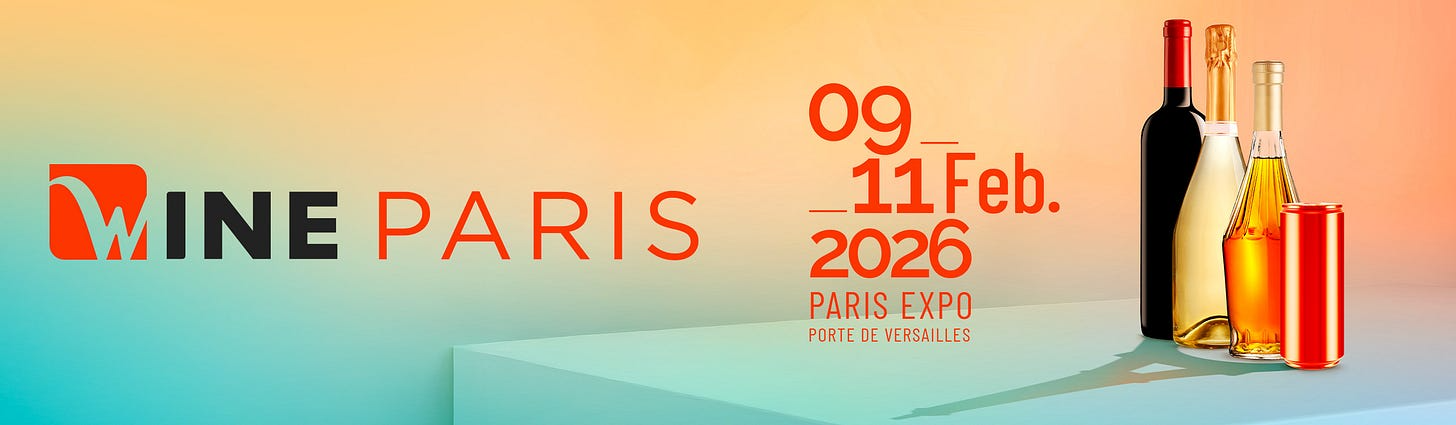
 The Northern Hemisphere’s 2020 harvests are underway and early indications are that France and Spain and will see good-sized crops, Italy is forecast to have a crop around 5% down in size on 2019’s, and California’s crop looks lighter than average. Distillation programmes have been rolled out across Europe to help reduce wine inventory ahead of the new vintage, but their success is questionable: the French plan has only served to pause the bulk market in France as the distillation price is above where the market was, while the Italian plan has the reverse problem – offering a distillation price that is unattractive to many sellers.
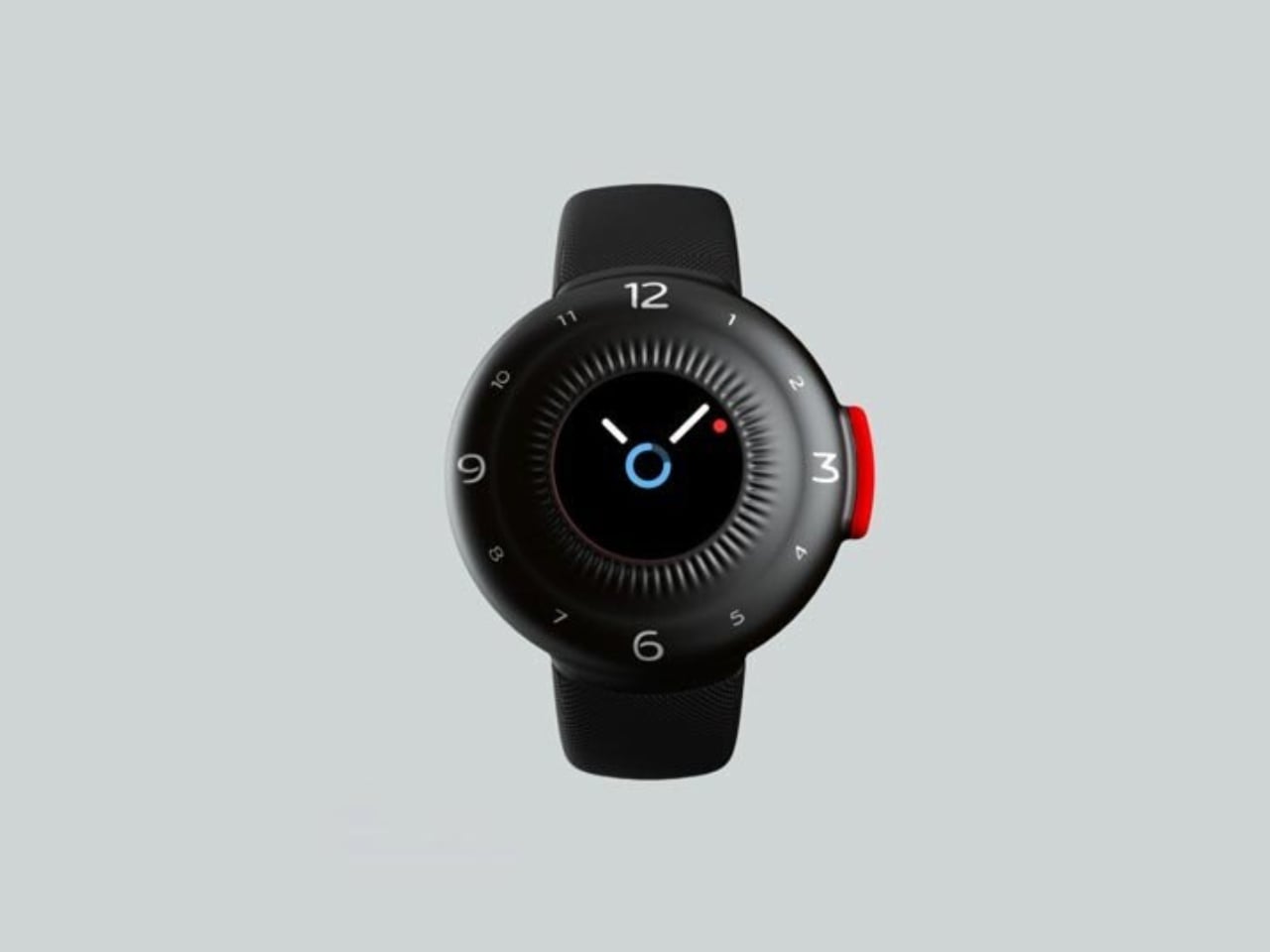


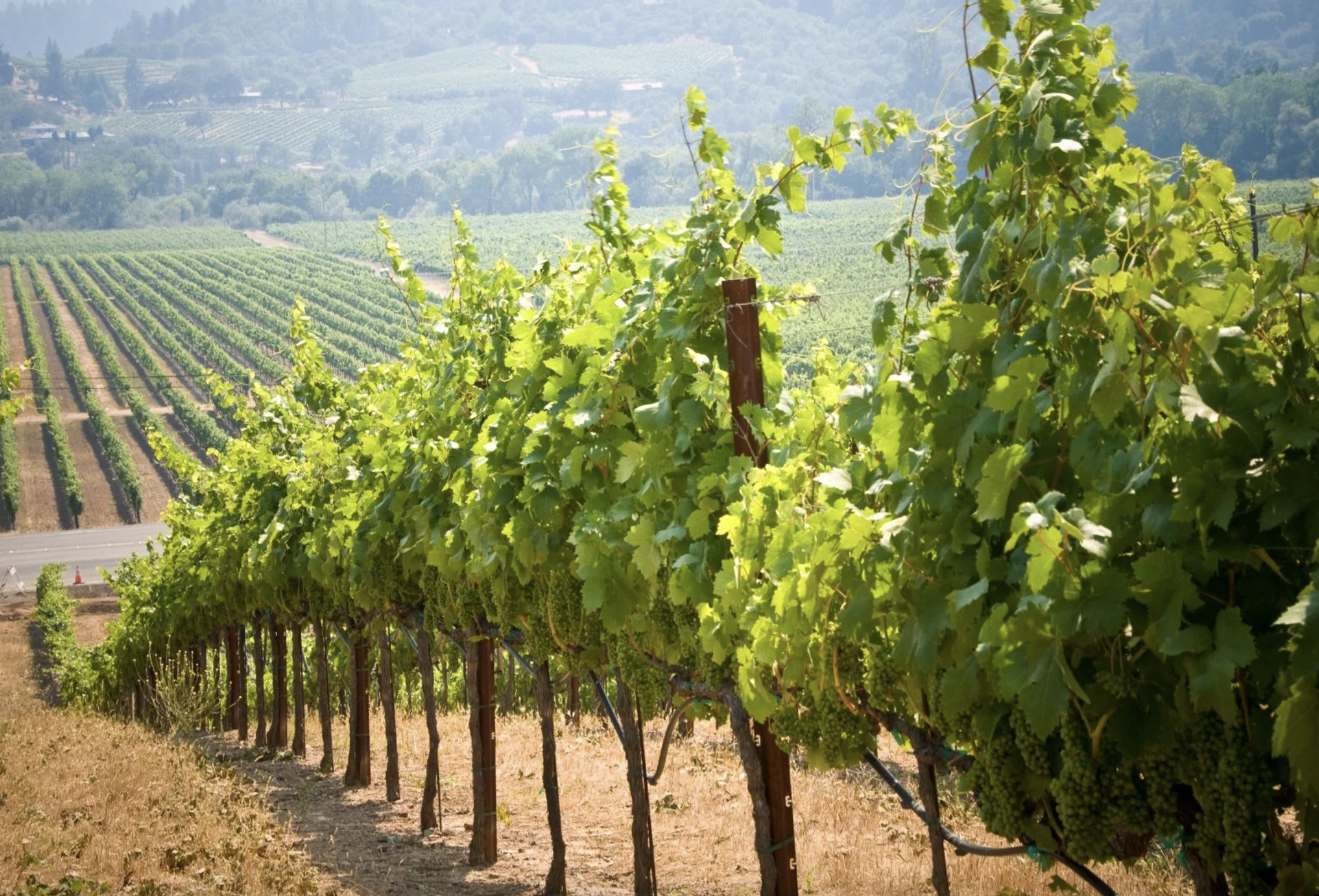



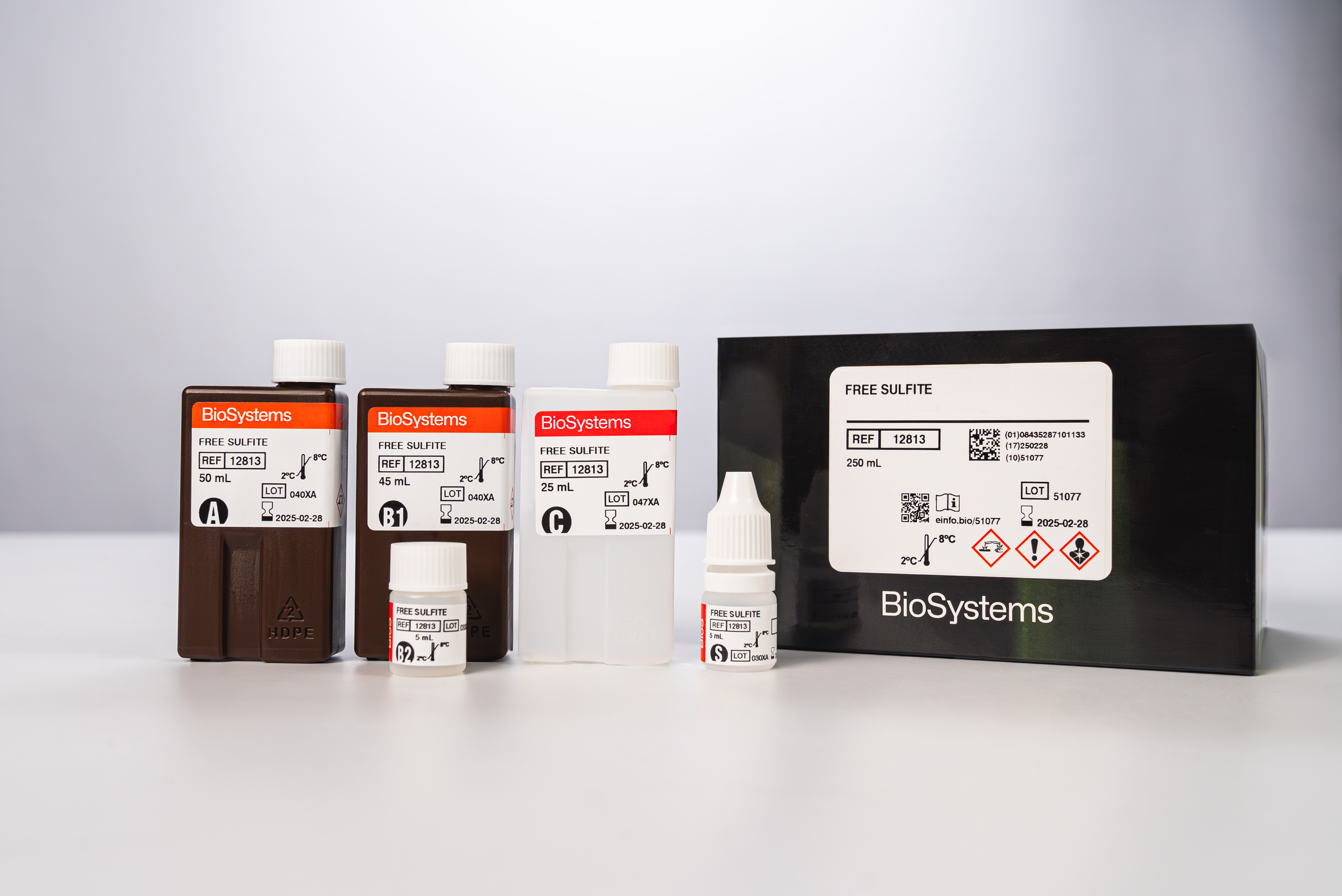



 If your AP process is getting heavier, approvals are becoming more complex, and you’re stitching together systems to manage inventory and sales… you’re not alone.