

The world took a drastic shift to the digital world in 2020. Many businesses, specifically ones that strived within the offline world—through brick-and-mortar retail sales, tasting rooms, and events—have had to adapt to the changing world.
In brick-and-mortar stores, consumers wanting to buy wine, beer, spirits, cannabis products, and other products can touch the product, twirl it, pick it up, read the label, run their fingers over the package, and decide on the spot if they wanted to purchase it or not.
Labels and packaging are extremely important for in-person retail sales. Typically, it takes the shopper around eight seconds to decide what products they will purchase—making that first impression is essential.
With the COVID-induced shift to digital retail and ecommerce sales—which is expected to last long after the pandemic is over—how can wine, beer, spirits, cannabis product producers bring the label experience to customers online?
TAKE LABELS SERIOUSLY
Your first impression, your label, is what will ultimately define your band in consumers’ minds. By looking at your label, a buyer needs to know what the product is, the brand behind it, and whether they want to buy it or not.
“The label is your first friendly wave to a consumer, says Christy Bors, Head of Brand at Naked Wine. “It is an immediate translation of style, personality—even seriousness or fun. At Naked, we see a very real and important responsibility to carry that personality through the screen—and it starts with the label.”
Much of the research around how consumers use the product label to buy wine, beer, spirits, cannabis products is related to in-store purchases. But the best practices for labeling apply to online sales as well.
Labels matter. Premium labels are proven to make products stand out on the shelf, and that’s proving to be true online as well. The questions you need to be asking yourself before displaying your label are why you bring your product to the market, what it says about you, and how that way of thinking translates to the design and presentation of the product.
Naked Wines works with small, independent winemakers. Christy said, “At Naked, we support the world’s best winemakers. Oftentimes, the wines produced at Naked are the only ones to bear their first and last name, so the label means a heck of a lot. It’s a way to get the consumer invited to try your wines, sure, but it’s also declarative—a moment in history where you’re saying, ‘Hi, I’m the maker. This is my craft. And I made it for you to enjoy.’”
HOW TO DISPLAY YOUR LABEL ONLINE
Consumers go through certain steps when they’re purchasing wine and other products at brick-and-mortar retailers. Websites are 2D, so you have to show your brand with the label and the elements on the page.
“Wines are tactile,” Christy said. “People touch them, twirl the bottle, pick it up, put it down, run their fingers over the paper, smooth the capsule—you can’t offer that experience on a website.” Which means you have to use photography to display your product, label, and personality.

“Your colors should be bright. Textures, if there are any, should be pronounced. And make that photograph memorable by adding elements of your personality around the bottle too.” Christy says. “A local Napa wine brand I love for this is Forlorn Hope shot by my good friend and incredible creative Emma K. Morris. She captures the pop and flavor that the winemaking team is passionate about inside and around the label.”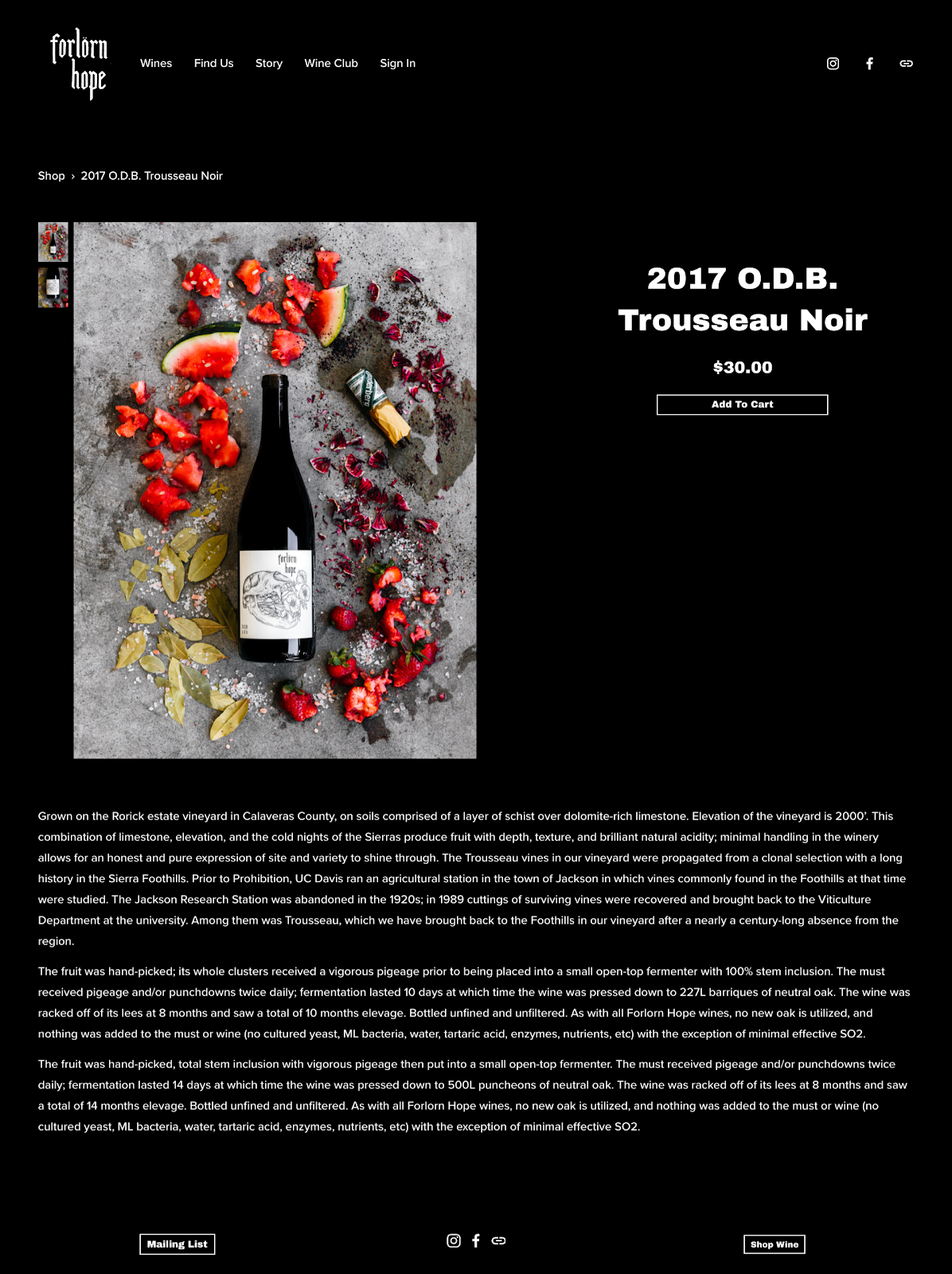 Continue Reading...


Loading comments...