

2020 saw more wildfires up and down the west coast. As wines made from smoke exposed grapes finish malolactic fermentation, the acrid, off-putting aromas of smoke contamination may become evident. While traditional reverse osmosis techniques will reduce the free volatile phenols that make up smoke contamination, it does nothing for the bound forms of these compounds. With time and handling, these bound (glycosylated) volatile phenols can potentially hydrolyze, releasing the free, low aroma threshold aroma compounds and ruining otherwise clean wine.
With Winesecrets’ proprietary Differential Filtration technique, current and potential future issues can be mitigated from smoke tainted wine. Using a smoke exposed California Cabernet Sauvignon, Differential Filtration showed the following results in a recent cellar-scale trial:
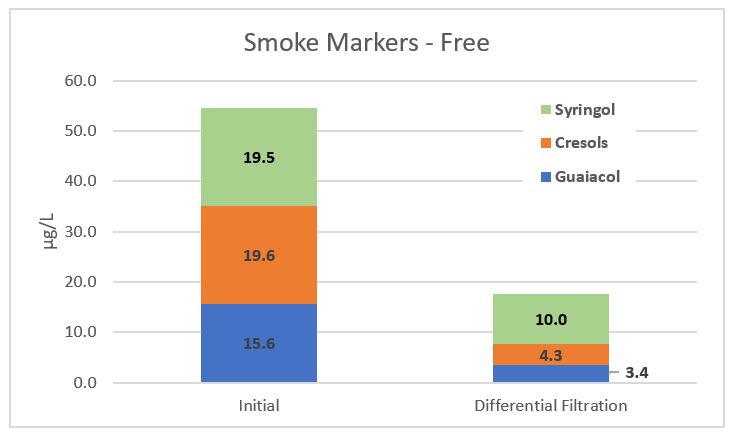
Figure 1: Free Volatile Phenol Reduction from 2020 California Cabernet Sauvignon
The complete laboratory analyses for this trial and other Winesecrets smoke reduction studies are available upon request.
Figure 1 shows the reduction in typical smoke taint markers using Differential Filtration, treating a single volume of tainted wine. Repeated treatments have demonstrated additional reduction in smoke taint markers.
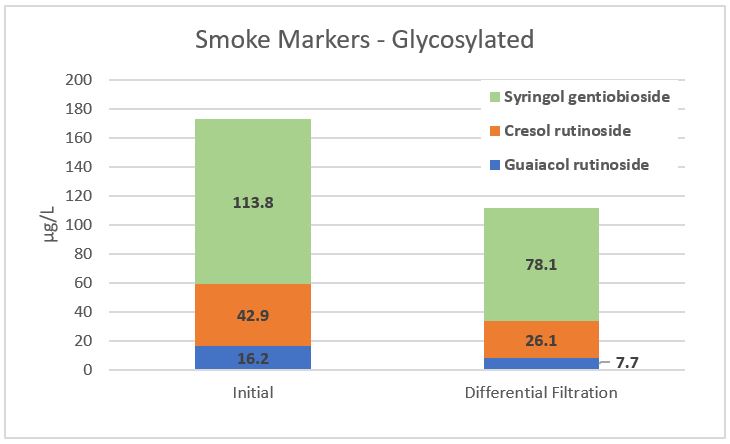
Figure 2: Bound Volatile Phenol Reduction from 2020 California Cabernet Sauvignon
Figure 2 demonstrates the effectiveness of Differential Filtration. Traditional smoke remediation has essentially no impact on the glycosylated form of the smoke compounds. A single pass of Differential Filtration reduced concentration of these glycosylated smoke markers by 35%.
Winesecrets’ Differential Filtration technique utilizes a “molecular trap.” First, Ultrafiltration (UF) separates the wine’s colloid and phenolic structure (High Color Wine) from the portion that contains smoke contaminants. Next, the Low Color Wine is processed through Molecular RO. The permeate containing the free smoke components is treated with activated carbon, removing the contaminant. The RO retentate contains the bound smoke components. These are concentrated in the molecular trap and discarded. High and Low Color Wine are recombined, producing clean wine, free of smoky aromas and the risk of future reoccurrence of contamination.
Winesecrets is able to provide a bench-scale trial of Differential Filtration. With its Test Track system, wineries can observe the impact of treatment on their own wine. With three cases of wine, Winesecrets will return treated wine to you to evaluate the impact of differing treatment levels on the free and bound concentration of smoke components.
To schedule a Test Track analysis, request mobile Differential Filtration or order the equipment necessary to remediate smoke contamination, please contact Winesecrets’ Customer Care at 888.656.5553.



Loading comments...