


In California, water scarcity is an ever-growing concern, and as droughts become more frequent, it’s vital that our landscapes adapt. At Allen Land Design, we’re passionate about creating outdoor spaces that not only look beautiful but are also resilient and sustainable. When designing landscapes for wine country or any drought-prone region, the goal is to choose plants, materials, and techniques that conserve water while enhancing the beauty and functionality of the space.
Xeriscaping—the practice of using drought-tolerant plants and water-efficient design—is the cornerstone of sustainable landscaping. Plants like lavender, succulents, and ornamental grasses are perfect for the dry conditions of Sonoma County, adding texture, color, and movement without relying on excessive water. One of our favorites, the California native sage, is not only stunning with its silvery leaves but is also a magnet for pollinators, helping support local wildlife.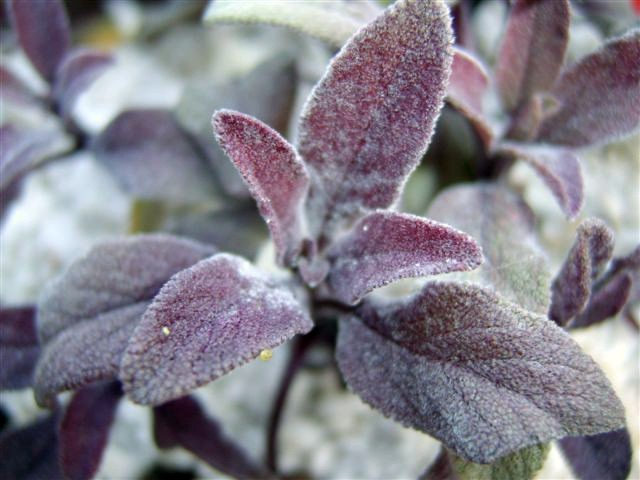
Beyond plant selection, hardscaping plays a key role in water conservation. Permeable pavers, gravel paths, and decomposed granite allow rainwater to infiltrate the soil, reducing runoff and allowing water to reach the roots of plants where it’s needed most. Incorporating rainwater harvesting systems or installing low-flow irrigation systems like drip lines ensures that water is used efficiently throughout the landscape, keeping plants healthy while minimizing waste.
In addition to selecting the right plants and materials, designing a landscape with microclimates in mind is essential for maximizing water efficiency. Creating shaded areas using trees or strategically placed trellises can help reduce water evaporation in sensitive plantings. And grouping plants with similar water needs together—known as hydrozoning—ensures that water is used efficiently and effectively, reducing unnecessary waste.
By embracing these sustainable landscaping practices, you’re not just creating a beautiful, low-maintenance landscape—you’re also contributing to the long-term health of the environment. Water is one of our most precious resources, and with thoughtful design, we can all play a role in conserving it.
Are You Ready to Transform Your Space with Drought-Tolerant Design?



Loading comments...