

Why Proper Fermentation Mixing is Essential
It’s a common myth that fermentations “self-mix" when in fact this is only true during the most active stages of fermentation. Recent research (Schwinn et al., 2019) has shown that without manual mixing, yeast can struggle to stay in suspension, causing yeast stress and other unwanted impacts.
The Benefits of Mixing
LIMIT STRATIFICATION
Without mixing, yeast and nutrients can crowd the bottom of the tank, leading to different fermentation rates and progression in different parts of the vessel.
PREVENT OFF-AROMAS
Ensuring even distribution of yeast and nutrients limits stress, reducing the risk of off-aromas like hydrogen sulfide, acetic acid, and acetaldehyde.
IMPROVE YEAST PERFORMANCE
Even distribution of yeast and nutrients also keeps yeast healthy, active, and efficient, improving fermentation kinetics and tank turnover.
WHEN TO MIX
Mixing is most important during early fermentation and near the end. At both of these stages, fermentation rates are slow, less carbon dioxide and heat are being produced, and the "self-mixing" action isn't happening.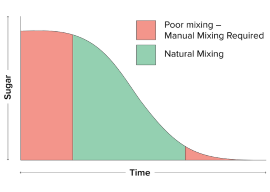
CAN'T MIX?
If you don’t have the ability to mix, consider using yeast strains that perform well in highly clarified juices. These strains are known for their robustness and ability to thrive even in low-nutrient, low-sediment environments.
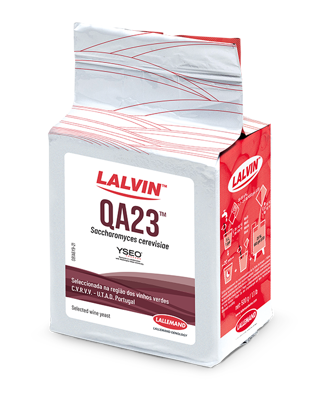 LALVIN QA23®
 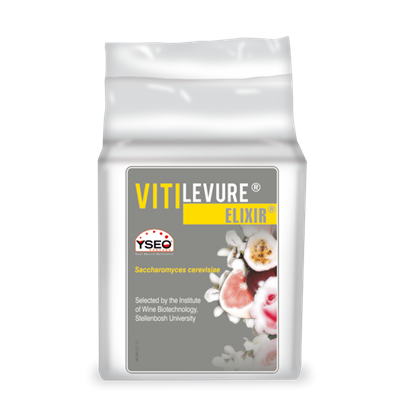 VITILEVURE ELIXIR™



Loading comments...